























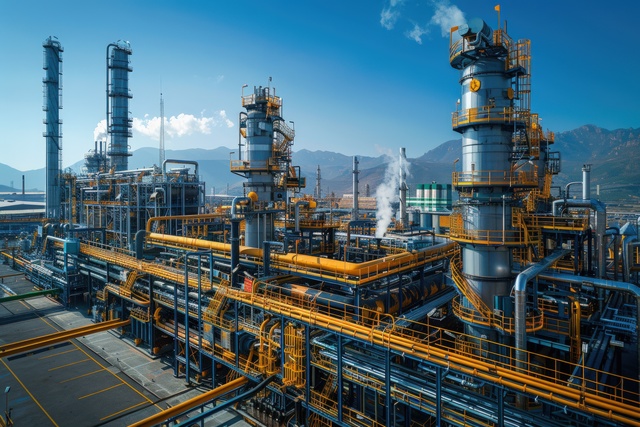
Chemical exports from Gujarat and India to the United States have dropped significantly and are now close to a standstill, dealing a major setback to the domestic industry. The slowdown follows the U.S. imposing a 25% tariff on Indian chemical products, eroding India’s price competitiveness and discouraging American buyers. Industry representatives say shipments to the U.S. have slowed to a point where they are “on the verge of stopping entirely,” forcing Indian exporters to urgently reassess market strategies and diversify to maintain business continuity.
Segments Most Affected
The tariff impact spans several chemical categories, including specialty chemicals, dyes, and intermediates. Mid-sized manufacturers in Gujarat, a major production hub, report sharp declines in order volumes, delayed shipments, and increasing uncertainty over future contracts with U.S. customers. The ripple effect is being felt across supply chains, pricing networks, and production schedules.
China Emerges as a Strategic Partner
Amid weakening U.S. demand, improving diplomatic and trade relations with China are presenting new growth avenues. China remains a key supplier of raw materials for the pharmaceutical and dye-intermediate sectors. Indian companies are now exploring closer collaboration to secure raw material access at lower costs and reduce dependency on volatile markets.
Additionally, China’s edge in manufacturing automation is increasingly relevant for India. Approximately 80% of chemical manufacturing units in China have adopted automated systems, compared to only about 10% in India. These technologies allow chemical processing with minimal workforce intervention, significantly improving efficiency and safety. Analysts estimate that automation could lower Indian production costs by 10–20%.
Closing the Cost Competitiveness Gap
Indian chemical products currently cost roughly 20% more than similar products from China. Industry experts argue that adopting Chinese automation technologies, along with sourcing raw materials from China, could help bridge this cost gap. Joint ventures and technology partnerships may further support Indian firms in implementing global best practices in production standards, workplace safety, and environmental compliance—areas that are increasingly critical for export approvals.
Challenges and the Road Ahead
However, businesses caution that the transition will require careful planning. Supply chain reliability, regulatory clearances, and intellectual property considerations will influence the pace of partnerships and technology adoption. Still, stakeholders agree that integrating Chinese raw materials and automation could deliver substantial operational benefits, helping India regain its competitive standing in global chemical trade.
As reported by english.gujaratsamachar.com, the current moment, industry analysts note, marks a critical inflection point. Strategic decisions taken now—on technology, sourcing, and market alignment—will shape the future resilience and growth trajectory of India’s chemical sector.