

















Energy efficiency is now a strategic imperative for hydrocarbon and chemical industries. Through process optimisation, equipment upgrades, waste heat recovery and deploying digitalisation, companies can cut costs, reduce emissions and enhance competitiveness while driving sustainable and low-carbon operations.
In today’s rapidly evolving industrial landscape, energy efficiency is no longer just a cost-saving measure; it has become a decisive factor for competitiveness, resilience and long-term sustainability. Nowhere is this more critical than in the hydrocarbon and chemical industries, which remain one among the most energy-intensive sectors worldwide. With vola-tile energy prices, global decarbonisation pressures and customer expectations shifting toward greener value chains, companies must rethink how they consume, conserve and manage energy.
The good news is that tremendous opportunities lie in integrated energy management. By combining process optimisation, equipment upgrades, waste heat recovery and advanced digital solutions, the sector can unlock substantial energy savings while paving the way towards a lower-carbon future.
Energy Use Reduction: A Triple Advantage
For hydrocarbon and chemical producers, energy costs can account for 30 – 50% of operating expenses. Any reduction directly improves the bottom line. At the same time, lower consumption helps companies remain globally competitive in an industry where margins are often razor-thin and production centres span diverse geographies.
Equally significant, reducing energy use aligns with sustainability goals. Every unit of energy saved translates into reduced greenhouse gas (GHG) emissions. This is crucial for industries under scrutiny for their environmental footprint and for those navigating the transition from fossil fuels toward cleaner, greener alternatives such as biofuels, hydrogen and renewable energy.
Energy saved is also fuel saved, tantamount to extra fuel created.
Optimising Energy-Intensive Unit Operations and Equipment
The first step in energy management is to do a comprehensive energy audit to determine current usage patterns in entire manufacturing operations, the costs for the same and identify the energy savings potential across the entire plant.
Unit operations remain the backbone of chemical and hydrocarbon processing. Many of these—distillation, evaporation, drying and others—are inherently energy-intensive. Distillation alone, for example, consumes nearly 40% of the total energy used in chemical plants.
Optimisation here is key. Rep-lacing conventional distillation, evaporations, crystallisation, drying etc can drastically cut energy demand. Such improvements not only lower energy intensity but also enhance process reliability and throughput—delivering a dual win of efficiency and productivity.
Beyond processes, plant equipment—from burners and boilers to compressors, motors and cooling towers—represents enormous potential for savings. Incremental improvements in these “workhorses” often deliver outsized benefits.
Furthermore, advances in heat transfer technologies, be it enhanced heat exchangers, compact plate-fin exchangers or coatings that improve fouling resistance, make it possible to extract more value out of every joule of energy used.
Integrated Energy Management: From Silos to Systems
While individual optimisations matter, the real breakthroughs emerge when energy management is approached in an integrated, system-wide manner from networking energy intensive operations to cogenerating heat and power to waste heat recovery. This is where concepts like process integration, PINCH analysis and heat exchanger network (HEN) optimisation play a vital role.
Waste Heat Recovery: Flue gases, process streams and hot effluents can be captured and reused through heat exchangers, steam generation or absorption chillers.
Cogeneration: Combined heat and power (CHP) systems utilise the same fuel source to produce both electricity and process heat, drastically improving overall efficiency.
Process Integration and PINCH: By identifying the minimum energy requirement of a plant and aligning hot and cold streams accordingly, companies can achieve dramatic reductions in fuel and utility use.
Networking Operations: Lin-king energy-intensive equipm-ent and operations into coordinated networks ensures energy is balanced across the plant, avoiding waste and redundancy. Such integration enables companies to view energy not as a series of isolated consumption points, but as a strategic resource that can be orchestrated across the entire facility.
The Low-Hanging Fruits: Savings Without Major Investments
One of the myths around energy efficiency is that it requires massive capital investment. In reality, many opportunities lie in low-hanging fruits that demand more focus than funds.
Fixing leaks in steam, compressed air and cooling systems. Optimising operating conditions (e.g., lowering excess air in boilers). Regular maintenance of heat exchangers to prevent fouling. Insulating pipelines and equipment to reduce heat losses. Load shifting to off-peak hours where possible. These measures, while simple, can collectively yield 5 – 10% energy savings, often with payback periods measured in months, not years.
Digitalisation and Automation: The New Energy Frontier
The next frontier in energy efficiency is undeniably digital. Smart sensors, advanced control systems and artificial intelligence (AI)-driven analytics are transforming how plants monitor and manage energy.
Real-Time Energy Monitoring: Smart meters and IoT-enabled systems provide granular visibility into consumption patterns, enabling proactive interventions.
Predictive Maintenance: AI-driven models predict when equipment is likely to fail or operate inefficiently, preventing unnecessary energy waste.
Advanced Process Control (APC): Dynamic, model-based controls optimise processes continuously, maintaining operations close to their ideal efficiency point.
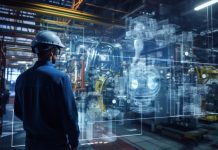
Digital Twins: Virtual replicas of plants allow companies to simulate scenarios, test energy-saving measures and fine-tune operations without disrupting production.
When combined with conventional efficiency measures, digitalisation can unlock another 10–20% in energy savings, making it one of the most promising tools in the industry’s arsenal.
Looking Ahead: From Incremen-tal to Transformational
The journey of energy efficiency in hydrocarbon and chemical industries has traditionally been incremental—focused on reducing losses and optimising existing systems. While these remain vital, the future will demand transformational change.
Decarbonisation goals, net-zero targets and the transition toward renewable integration will reshape how the industry approaches energy altogether. Tomorrow’s plants may combine high-efficiency conventional equipment with renewable electricity, green hydrogen as a fuel source and circular energy practices where waste becomes feedstock.
Companies that embrace energy management not just as a compliance requirement, but as a strategic differentiator, will lead this transition. Those who lag risk not only higher costs but also eroded competitiveness in a low-carbon global economy.
Conclusion
Energy efficiency and management are no longer optional for hydrocarbon and chemical industries—they are essential to survival and success. The opportunities for recovering heat to optimising energy use are vast and compelling.
The task ahead is clear: move from piecemeal efforts to integrated energy management, capture the low-hanging fruits while investing in digitalisation and view energy not as an overhead but as a strategic enabler of competitiveness and sustainability.
For an industry built on transformation—of molecules, of materials, of possibilities—transforming energy use is not just an imperative, it is a responsibility. Energy management with the prime objective of energy efficiency should be taken up on a mission mode.
– Vinoo Mathews