













Amid growing concerns about energy supply disruptions linked to the West Asia crisis, scientists at CSIR-National Chemical Laboratory (CSIR-NCL) have identified dimethyl ether (DME) as a promising indigenous alternative to Liquefied Petroleum Gas (LPG), particularly for domestic cooking applications.
The Pune-based laboratory announced that its scientists have developed a patent-protected technology for producing DME from methanol, supported by an indigenously designed catalyst. The innovation enables efficient conversion of methanol into DME and could play a significant role in strengthening India’s energy security.
Indigenous Catalyst Enables Efficient DME Production
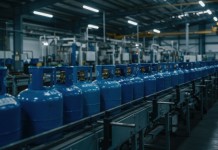
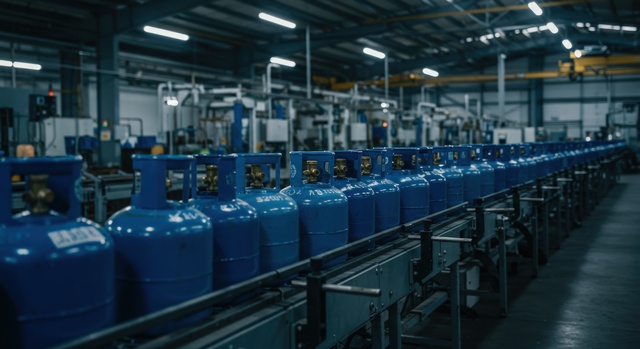
According to CSIR-NCL, the newly developed process uses a locally developed catalyst that facilitates the conversion of methanol to DME at relatively moderate operating conditions. Importantly, the technology produces DME at around 10 bar pressure, allowing it to be directly filled into conventional LPG cylinders. This compatibility with existing LPG infrastructure significantly improves the practicality of the fuel. Researchers have already demonstrated the technology at a pilot scale of 250 kg per day, highlighting its readiness for further industrial deployment.
Technology Ready for Industrial Demonstration
The laboratory is now preparing to take the next step. In collaboration with a processing engineering partner, CSIR-NCL plans to establish an industrial-scale demonstration plant with a capacity of 2.5 tonnes per day within the next 6–9 months. If successful, the demonstration unit could pave the way for commercial-scale plants ranging from 100 to 500 tonnes per day. At the same time, the institute is exploring partnerships with oil public sector undertakings and bioenergy companies to accelerate large-scale production.
DME Could Strengthen India’s Energy Security
India currently imports more than 80% of its fossil energy requirements, making the country vulnerable to geopolitical disruptions and global price volatility. LPG, which is widely used as a cooking fuel and promoted under the Pradhan Mantri Ujjwala Yojana, has recently faced price pressures due to supply chain disruptions in West Asia—one of the world’s major energy supply regions. Against this backdrop, DME offers a clean-burning synthetic fuel option that can complement or partially replace LPG, thereby reducing reliance on imports.
Cleaner Fuel with Strong Environmental Benefits
Dimethyl ether burns significantly cleaner than conventional fuels. According to the researchers, DME emits very low levels of soot, nitrogen oxides (NOx), sulphur oxides (SOx), and particulate matter. Moreover, its thermal efficiency is comparable to traditional fuels, making it suitable for both household cooking and industrial heating applications. Recognising its potential, the Bureau of Indian Standards has issued the IS 18698:2024 standard, which allows blending of up to 20% DME with LPG for domestic, commercial, and industrial use. Importantly, scientists note that up to 8% DME blending requires no modification to existing LPG infrastructure such as cylinders, regulators, hoses, or burners.
Potential to Save ₹9,500 Crore in LPG Imports
India imported around 21 million tonnes of LPG in 2024, making the fuel a major contributor to the country’s energy import bill. Scientists estimate that replacing just 8% of LPG consumption with DME could save nearly ₹9,500 crore annually in foreign exchange. For instance, substituting 8% of LPG used by roughly 10.5 crore households under the Ujjwala scheme would require about 1,300 tonnes of DME production per day.
Future Pathways: Coal, Biomass, and CO₂ Utilisation
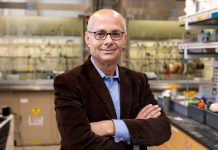
In the long term, methanol required for DME production could be sourced from India’s coal reserves and biomass through gasification processes. Scientists are also exploring the possibility of producing DME from captured carbon dioxide, which could support carbon utilisation and climate mitigation strategies. The research project was led by Thirumalaiswamy Raja, Chief Scientist in the Catalysis Division at CSIR-NCL.
As reported by rediff.com, as part of the project, the laboratory has also developed a prototype burner capable of operating flexibly with fuels ranging from 100% LPG to 100% DME, including intermediate blends. The burner has undergone efficiency testing at the LPG Equipment Research Centre in Bengaluru, demonstrating its potential for practical household use.