



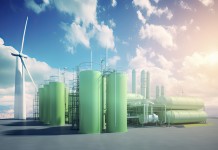











MAIRE announced that NEXTCHEM, through its subsidiary MyRechemical, has been chosen by Mana Group and Equinor to conduct a feasibility study for a waste-to-methanol plant at Norway’s Mongstad refinery. This project represents a significant step toward producing low-carbon, circular fuels in Northern Europe.
Leveraging NX Circular™ Technology for Sustainable Fuels
NEXTCHEM’s Role in the Project
As the technology integrator and service provider, NEXTCHEM will deliver a comprehensive feasibility study to Mana Group and Equinor. The study will evaluate the technical and economic viability of waste gasification. It will also assess the syngas purification process for methanol production.
Strategic Significance and Regional Impact
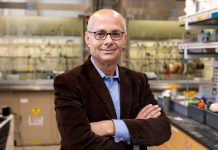
Fabio Fritelli, Managing Director of NEXTCHEM, commented, “We are proud to support this early-stage strategic partnership to explore the potential to develop the Nordics’ first large-scale waste-to-methanol project at Mongstad, Norway. Northern Europe represents an ideal context for replicable and scalable industrial projects, with tangible environmental and industrial benefits.” As per the press release, the collaboration positions NEXTCHEM at the forefront of sustainable fuel innovation. It highlights the growing potential for circular economy solutions in the European energy and chemicals sectors.