Home Blog Page 496

Enhance Productivity and Reduce Wastes Through Good Mixing – Dr Ramesh Hemrajani

Industrial Mixing is a crucially important operation, particularly for chemical reactions. Even a percentage increase in yields, due to good mixing, translates into millions of dollars earned in a year. For the very viability of manufacturing, good mixing is a major pre-requisite. Good mixing enhances productivity of wanted products while significantly reducing unwanted products, which also means not having to handle huge wastes.

Significant advances have taken place in mixing and therefore Chemical Industry Digest discussed various aspects of mixing with Dr Ramesh Hemrajani, a well recognized internationally known expert on mixing, in this interview presented here.

Excerpts from the interview:

Chemical Industry Digest (CID): Mixing, despite sounding simplistic, crucially important for reactions, is said to be the most complex to control as it is the least understood of many operations. Why is this so?

Dr Ramesh Hemrajani (RH): In the old days mixing was considered as “Shaken” but not “Stirred”. In order to mix two liquids, one would add them in a container which was then shaken by hand. As chemical processing evolved, just bringing liquids together without regard to quantification of homogeneity, led to poor process results. Emergence of processes using multiple phases necessitated understanding of mixing technologies for Single Phases, Solid-Liquid, Immiscible Liquids and Gas-Liquid systems.

When taking chemical reactions into account, mixing becomes more complex because the desired end results include reaction yield and selectivity; both leading to productivity and product quality. Depending on reaction kinetics and heat of reaction, sometimes ‘Runaway’ reactions can be triggered due to poor mixing.

We have come a long way to understand mixing requirements and developing recommendations on selection of mixer type and sizing it. As the chemical industry is demanding high productivity and better product quality, we continue to research on mechanisms of mixing with Rotating and Static mixing technologies.

CID: What are the main criteria or the decisive or controlling parameters for good mixing? And what are all the benefits of good mixing?

RH: The criteria for good mixing depend on phase configuration. For single phase liquid blending it is important to achieve liquid homogeneity at 95% or higher. The controlling parameter would be how long it takes to achieve that homogeneity. While in small mixing tanks it takes seconds or minutes for good blending, in large tanks it may take hours and days.

For suspension of solids in liquids, minimum requirement is complete off-bottom suspension. Higher mixing would provide distribution of solids to higher levels and even all the way to top. For immiscible liquid mixing, the mixing criterion is achieving desired mass transfer rate which is inversely proportional to the dispersed phase drop size.For gas-liquid mixing the criterion is similar and mass transfer rate determines the mixing quality.
There are a variety of benefits from good mixing – good product quality, faster reactions, higher yield and selectivity. It also minimizes cost of product separations by reducing by-products.

CID: What are the chief factors for mixing to go wrong or be inconsistent?

RH: Inadequately designed mixing systems could lead to poor mixing. Additional factors include incorrect sizing of wall baffles and selection of unsuitable mixer components. A well designed mixer should also be operated appropriately. For example; liquid level should be maintained within an acceptable range, and location of additive insertion should be away from regions of low turbulence.

CID: Is it important in each case to do lab scale/pilot trials to help in selecting the mixer type & for optimizing mixing?

RH: Once process requirements are well defined and they are within the existing knowledge base, laboratory and pilot studies may not be needed. Literature review may provide appropriate design guidelines. However, if the process is complex with non-Newtonian liquids and multiple reactions, laboratory/pilot studies are useful in defining mixing requirements. In some cases scale-up studies may also be needed to develop mixing system design recommendations.

CID: What are the major challenges faced in scale up and how can this be addressed?

RH: Scale-up is almost always challenging. Various flow characteristics such as Reynolds number, Froude number, Weber number etc. change as the mixer is scaled up. Sometimes it becomes important to determine which flow characteristics control mixing, and what impacts their different values on the process result. This step is defined as establishing the scale-up criteria.

A robust scale-up methodology may require experimentation at 2 to 3 different scales. The experimental results can then be used to correlate process result with changing combination of flow parameters.

CID: Where or at what stage does CFD come in and what are the benefits of using CFD to enable mixing efficiency?

RH: CFD is a valuable tool for understanding impact of mixing on process performance. However there are some limitations.

First, at this time confidence in CFD approach for single phase systems is high, but for multi-phase systems it is less reliable. Second, while CFD can provide detailed flow fields, additional computations are needed to further analyze the process. For example, transient calculations must be carried out to estimate blend time, and residence time distribution in continuous processes. Such calculations require longer computation time. For multi-phase systems, appropriate mathematical models must be used in addition to CFD calculations or experimental data must be obtained.

In case of processes carried out under high pressure and/or high temperature, CFD becomes cost effective as laboratory experimental units are costly to assemble and operate.

CID: There are many types of mixers. And there are many types of impellers and even their positioning as single or multiple impellers. Are there any thumb rules for selecting which mixer or mixers for which application? Where are inline & static mixers used? What are specialty mixers?

RH: Responding to this question requires extensive discussions. Perhaps by attending a Mixing Workshop one can obtain understanding of how to select various mixing technologies and design them. However I can provide a brief response as follows.
First, the use of in-line and static mixers are suitable for continuous processes where short mixing times (seconds to <1 minute) are acceptable. Second, rotating impeller mixing systems can be used for batch and continuous processes requiring longer residence times. Third, the selection of impeller type depends on fluid configuration. Different impellers have been generally identified for blending, solids suspension, immiscible liquids and gas-liquid mixing. It is important to use a right impeller that will provide highest mixing efficiency. Fourth, mixer details such as number of impellers and impeller spacing are set by some thumb rules available in the literature. Occasionally these rules need to be modified depending on available hardware.

CID: Do mixers have to be custom built specific to each process or can they be bought off the shelf?

RH: It is generally cheaper to buy impellers off the shelf. Vendors have developed different impellers specifically for process phase configurations. Besides using the established impellers, it allows the mixer users to have access to their performance characteristics such as power number and pumping number.

CID: From your long years in process industry and particularly with your expertise in mixing, which are some of the major problem areas in mixing when it comes to different kinds of mixing: liquid-liquid, gas-liquid, solid-liquid etc, etc, and in each type?

RH: Instead of stating as major problems, I would phrase it as major challenges. The most difficulty in all mixing areas is translating process requirements to mixing requirements. Once this step is done successfully, it becomes easy to design a mixing system.

For liquid blending, one must define degree of homogeneity and blend time requirements. For suspension of solids, the process needs range from off-bottom suspension to complete homogeneity. For immiscible liquids mixing, it is necessary to determine drop sizes and drop size distribution. Additionally engineers have to determine if there are any issues with settling emulsions. For gas-liquid mixing, it is important to quantify mass transfer rate and flow regime.

These process-to-mixing translations may require laboratory experimentation.

CID: Do micro-reactors that are showing great promise obviate the need for a separate mixing equipment?

RH: Micro-reactors are designed to provide mixing using fluid velocities through small channels. The use of rotating or static mixers would be difficult in these structures. In addition, due to their small dimensions the flow regimes tend to be laminar or at best transient. Mixing under these conditions can be slow.

CID: And finally last question is it necessary for a chemical company to have a mixing consultant on call to advise, from selection to operation? Would you as a leading mixing consultant like to continue to offer your consultancyfor Indian companies as you have done in the past?

RH: Having a “Expert” in the organization can bring a high value to the company. Mixing is a technology very commonly used in the process industry. An expert can advise on the selection and design of efficient mixing systems when a new chemical plant is planned. In addition, operating plants can develop mixing failures due to process changes.

Recommendations for mixer modifications need to be developed by an engineer with strong mixing background. In the absence of a resident expert, one must rely on mixing vendors who may not have good understanding of the process.

After my retirement I have been continuously busy with consulting on mixing for a variety of industries. It will be a pleasure to consult for Indian companies as my 43 years of experience in mixing can solve problems and enhance profitability.
Announcement

Announcement

Webinar on Industrial Mixing

Led by Dr Ramesh Hemrajani, Chemical Industry Digest would be shortly conducting a Webinar on Mixing which will sensitise participants to all aspects of the state-of-the art developments in mixing and thus help enable delegates to understand the potential of process efficiencies from good mixing.

Chemical Industry Digest has conducted many workshops & conferences on Industrial Mixing with Dr Ramesh Hemrajani as the faculty. The feedback after each event from the delegates was excellent.

The final details of the webinar are being worked out and the entire agenda, date, timings, schedule etc will be informed, once finalised.

Should you be interested to know more on this webinar, please register here: https://bit.ly/3Gqw9tY

Make the Most of Sensor Data

Communication via Industrial Ethernet

Profinet and Ethernet / IP are the two major industrial bus technologies, and with the addition of Ethernet / IP to the M800 transmitter series, METTLER TOLEDO now offers a global solution for Industrial Ethernet communication.

Sensor diagnostics available at every level

The M800 Ethernet / IP is compatible with METTLER TOLEDO sensors for parameters including pH, conductivity and dissolved oxygen. It supports all the features of Intelligent Sensor Man­agement (ISM®) instruments, such as Plug and Measure and advanced predictive diagnostic tools.

The ability of Ethernet / IP to forward sensor diagnostics from the field level to higher level IT systems helps mini­mize unplanned instrument downtime and hence of critical processes. Fur­thermore, such systems mean main­tenance tasks can be planned, docu­mented and supervised on different IT levels.

A transmitter for today and tomorrow

As a multi-parameter transmitter that can be easily integrated into Industrial Ethernet automation environments, the M800 Ethernet / IP and M800 Profinet will help chemical companies maxi­mize productivity and efficiency in non-hazardous areas.

About METTLER TOLEDO Process Analytics

METTLER TOLEDO’s Process Analytics division develops and manufactures instrumentation and sensors used for process measurement and control, offering measurements of pH, dissolved and gaseous oxygen, dissolved ozone, turbidity, oxygen reduction potential, resistivity/conductivity, total organic carbon and flow. METTLER TOLEDO Process Analytics consists of two business units, Ingold and Thornton, whose products are commonly used in industries such as:

  • Pharmaceuticals and biotechnology
  • Chemical process and refining industries
  • Brewing, food and beverage production
  • Power and steam generation plants
  • Microelectronics manufacturing

For additional information, visit www.mt.com/M800
Email- sales.sales@mt.com
Contact-1800 22 8884 / 1800 10 28460 (Toll Free)
Website- www.mt.com

Chemingineering – Winds of Change

Global wind power capacity increased by 53% in 2020 but has to triple in the coming decade if global warming has to be limited to 2oC above pre-industrial levels. This month’s column examines some trends in the wind power industry as it jostles to assume pole position in the race to Net Zero by 2050.

The energy residing in wind has been put to use since time immemorial. The first wind turbine to produce electricity was built in 1887; it generated 12 Kw power. The total installed wind power capacity now is 742 GW and it accounts for more than 6% of the global electricity supply, eliminating in the process the emission of 1.1 billion tonnes of carbon dioxide every year. Wind power has one of the lowest carbon footprint compared to other energy sources. A recent study has determined that the emissions from wind power are as low as 11 grams of carbon dioxide per kWh of power, compared to 44 g/kWh for solar power, 450 g/kWh for gas-fired power and 1000 g/kWh for coal-based power. The carbon footprint of wind power is 99% lower than coal-fired power, 98% lower than gas-fired power and even 75% lower than solar power. With a record accretion of 93 GW of fresh capacity, 2020 was the best year for the wind power industry. 75% of the new installations were in USA and China. It was a 53% year-on-year increase. But if we have to reach the net zero target by 2050, the wind power capacity has to grow three times faster over the next decade. Several scenarios have projected that by 2050 the wind power capacity would be ten times bigger than the present level.

HAWT and VAWT
There are two basic configurations in wind turbines based on the orientation of the blades with respect to the wind stream. The most common configuration is the Horizontal Axis Wind Turbine (HAWT), in which the axis of rotation of the blades is parallel to the wind. However, Vertical Axis Wind Turbine (VAWT) is gathering much attention these days because of several advantages. VAWTs are low on maintenance because of fewer components. They can also be scaled down for installation on rooftops of residences. When operated in isolation, a VAWT has a lower efficiency of 35% – 40% as against 50% for HAWT. A recent study in a large wind farm reveals that the turbulence generated downstream of the front row of turbines can have a detrimental effect on the performance of turbines is subsequent rows. The efficiency of the turbines in the back rows falls as low as half of those in the front rows. A computer simulation shows that if the back row turbines were changed from HAWT to VAWT design, the output of the VAWT turbines is 15% more than when operated in isolation. The synergy in the performance of VAWTs depends on how they are arranged and is thus a crucial factor in the windfarm layout. VAWTs are cheaper to build and the recent findings have created a buzz that they could be the future of wind power.

Bladeless
Even as experts are taking positions on the HAWT vs VAWT debate, a bladeless revolution is silently stirring things up in the wind power industry. This breathtaking innovation does away with blades completely and relies on the principle of vortex shedding to harvest energy from wind. The bladeless “turbine” has only a single tall mast made of a lightweight material. As wind flows around the mast, vortices are shed. When the frequency of the vortex shedding matches with the structural frequency of the mast, it begins to oscillate and enters into resonance with the wind. This vortex-induced vibration is used to generate electricity in an alternator. The frequency of vortex shedding is a function of wind velocity and every structure has its own natural vibration frequency. The innovation is in the development of a self-synchronisation system, by which the structural rigidity of the oscillating mast is varied automatically so that it stays in resonance with the wind. A Spanish start-up backed up by EU funding has developed 100 W prototypes which are currently under field testing.

3D Printing
3D printing promises to revolutionise the design and manufacture of wind turbine blades. For Haliade-X, the world’s most powerful wind turbine, GE is partnering with two German companies to develop the world’s largest 3D printer. GE plans to use the 3D printer to produce sand moulds for casting the various complex components that go into the manufacture of the nacelle of a wind turbine. The 3D printed moulds are expected to produce castings that weigh a whopping 60 tonnes and are as big as 9.5 metres in diameter. 3D printing will bring many potential benefits for the manufacture of wind turbine blades. The castings will be of high quality with improved surface finish. Material costs and machining time will be lower. A very significant advantage is the reduction in the manufacturing time, which will dramatically crash the schedules for windmill projects. Most importantly, 3D printing obviates the need to transport the monstrous blades over long distances from a central manufacturing location and lowers the carbon footprint of wind power projects.

Circular Economy
A lot of material goes into building and erecting wind power projects – steel, aluminium, fibreglass, carbon fibre, concrete, copper and even exotic metals like neodymium which are used in the magnets. Many wind turbines are rapidly reaching obsolescence and the end of their useful life. They have to be replaced by more efficient new generation turbines. 1.5 GW of offshore wind capacity is estimated to be decommissioned by 2030 and 13 GW by 2040. Whereas 85% of a wind turbine consisting of steel, copper and electronics can be reused or recycled, the blades pose a massive challenge. Since the various parts of the turbine blade are subjected to diverse kinds of cyclic stresses, it is imperative to use different materials for different parts of the blade. Composites of wood, carbon fibre and FRP are used in the manufacture of wind turbine blades and it is not economically feasible to separate the components for recycling. Much work is underway to prevent the turbine blades from ending up in landfills and increase their recyclability. Earlier this month, Siemens Gamesa launched the first fully recyclable wind turbine blade. The company has developed a special resin that can be efficiently separated from other components at the end of the useful life of the blade. The first lot of six fully recyclable 81-metre-long blades have already been manufactured by the company at their plant in Denmark. By early adoption of circular economy practices, the wind power industry is poised to become the spearhead for the transition to Net Zero.

Last Word
As per the latest report of Global Wind Energy Council, India with 39 GW of wind power capacity ranks 4th globally behind China (288 GW), USA (122 GW) and Germany (63 GW). India’s capacity is entirely land based, but the government has recently announced a target of setting up 30 GW of offshore wind projects along the 7600 km coastline. Winds of change are gathering force.

Readers’ responses may be sent to:
k.sahasranaman@gmail.com or
chemindigest@gmail.com

How Plant Managers Can Improve Decision Making with Asset Performance Management 4.0 and Digital Twins

Digital twins are empowering engineering, operations, and maintenance in plants to collaborate and capitalize on the opportunity of Industry 4.0. If common pitfalls can be overcome, such as data overload, the lack of systems integration and interoperability, inconsistent business processes, and siloed data, then this open and connected data environment can become a sustainable competitive advantage. Digital advancement strategies like Asset Performance Management 4.0 are being coupled with digital twins and are becoming critical strategies for operational excellence.

Maximizing the Value of Assets
The reason plant staff collect, store, and analyze plant data is to improve decision-making and operations. Ultimately, they want to maximize the return on assets, minimize production, labor, and material costs, reduce the total cost of asset ownership and investment, and deliver predictable performance, on time.

We can improve the performance of the physical assets used for production through the way people operate equipment, through improved maintenance practices, or through design and engineering. This is not a new concept, as an average plant might have 30 to 50 design optimizations, modifications, or additions per year.

However, the siloed approach separating engineering, operations, and maintenance is no longer good enough. Success now requires a new way forward with a collaborative approach to information accessibility coupled a process for asset performance management for fast and accurate decision making.

Asset Performance Management
Asset Performance Management (APM) focuses on meeting performance requirements through reliability, and takes a cross-discipline approach to fulfil plant goals and customer needs.

Some of the key characteristics of an Asset Performance Management system include:

  • Asset strategy and risk analysis
  • Condition-based or reliability centered maintenance processes and practices
  • A mobile inspection platform with augmented reality and virtual reality capabilities for remote working and remote collaboration
  • Predictive analytics including statistical modeling, neural networks, artificial intelligence, and machine learning
  • Spare parts optimization
  • Asset lifecycle information management

Asset performance management is the plant manager’s opportunity to extend asset life safely and reliably, which avoids capital expenditures.

Case Study:

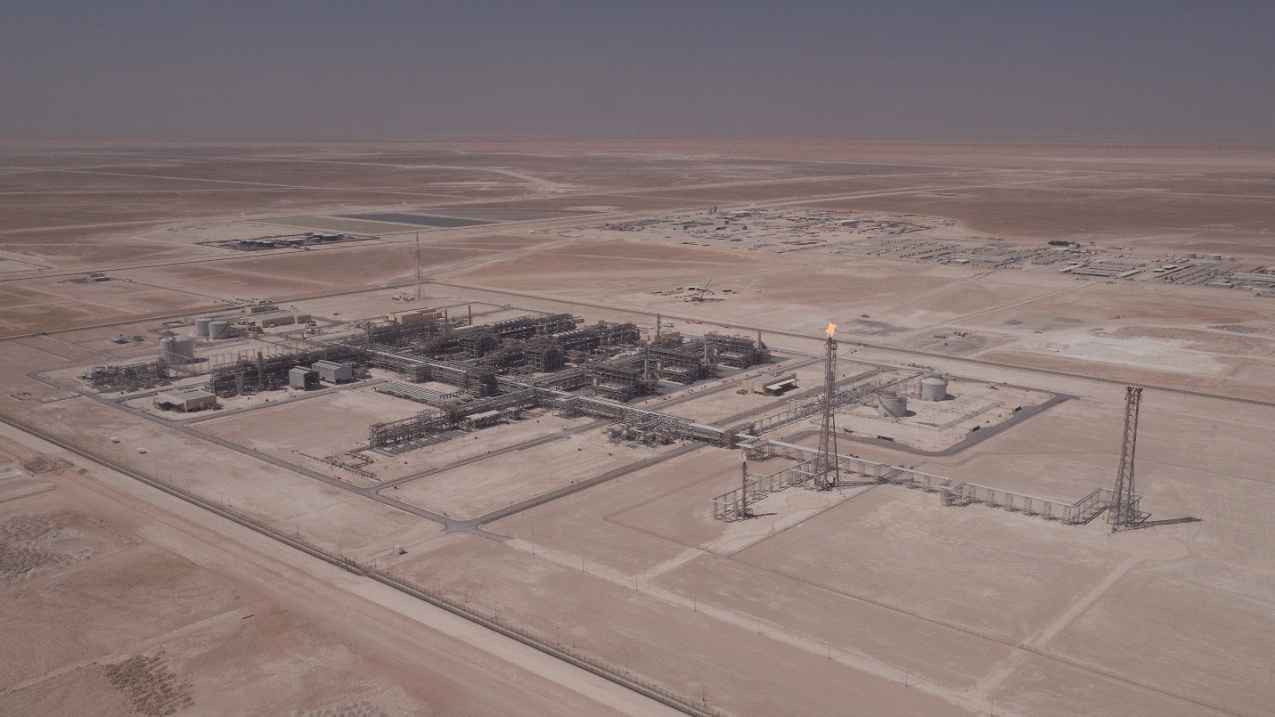
Photo used with permission, courtesy of Oman Gas Company

Oman Gas Company implemented a digitalized, automated framework for asset performance management. Establishing a connected data environment and digital workflows reduced failures and improved reliability performance by 9%. The technology transformed the team and how they manage assets, resulting in significant economic gains.

The Tipping Point for IIoT

APM 4.0 is effectively deploying APM within a digital twin because the Industrial Internet of Things (IIoT) movement has arrived and is at the tipping point. The cost of sensors, data connection, and data storage is now a fraction of what it used to be. As a result, the amount of raw data being generated in plants from IIoT sources is growing exponentially, and many organizations cannot keep up. Every sensor you add produces thousands of additional data points. As a result, making sense of the data to gain meaningful insights and get to the right decisions can be time-consuming and difficult if you are not sure of its relevance or accuracy.

For most plant managers, the vision of a completely autonomous plant is still a pipe dream. Industry 4.0 can connect physical assets in the plant to their digital counterparts to improve the automation of plant operations and maintenance. Using edge computing to implement artificial intelligence and automated rules is a fast and easy way to alert personnel of problems that must be addressed. However, edge computing might not monitor all aspects of every asset over the long-term and should not be used in isolation. To fully oversee a facility, you need a systematic, sustainable approach for tracking asset performance over time with visible, accessible, and trusted engineering data.

Gain Insights to Make Effective Decisions

There are many ways APM 4.0 helps Plant Managers to gain insights from data to optimize asset performance. Automated rules, calculations, artificial intelligence, and machine learning are all valuable methods to enable faster and more effective decisions. But, engineering information for each must be complete, accurate, and available to ensure decisions can be made at the right time. Otherwise, it becomes harder to mitigate consequences, and avoid downtime and unnecessary costs when assets fails.

In short, effective decision-making depends on always knowing the current state of the asset and becoming informed immediately when that state changes. This knowledge should include essential engineering information, as well as how to bring the asset back to the as-built, as-commissioned, or as-designed state. Yet components, structures, systems, and operating states all change over time due to wear and tear, operator decisions, and overall plant conditions. Changes in any single asset can negatively impact wider systems and processes. Trustworthy engineering data enables plant engineers to determine why a change occurred and who caused the change. For this purpose, asset lifecycle information management systems are the backbone of APM 4.0.

Case Study:

Photo used with permission, courtesy of BP

BP created a central information store (CIS) to manage information needed for operations, including all documents, tags, metadata, and 3D model visualization. Using a Microsoft Azure-based cloud deployment of Bentley Systems’ AssetWise asset performance software, the project team seamlessly integrated engineering information into operations. Doing so supports safe, reliable, and efficient operations throughout the life of their assets. With safety at the heart of all operations, BP ensures it continuously maintains the integrity of operational information.

Digital Twins Enable Collaboration between Engineering, Operations and Maintenance

A digital twin is a digital representation of a physical asset, process or system, as well as the engineering information to understand and model its performance. Typically, a digital twin can be continuously synchronized from multiple federated sources, including sensors and continuous surveying, to represent its near real-time status, working condition or position. Digital twins enable users to visualize the asset, check status, perform analysis and generate insights in order to predict and optimize asset performance. As a result, digital twins eliminate silos of data to deliver situational awareness and intelligence.

Additionally, a continually updated digital twin provides proof of accurate information needed for regulatory compliance. Engineering, operations, and maintenance greatly benefit from the combination of APM and digital twins. APM provides the strategy and analytics, while digital twins unify the data, provide situational awareness and insights, and deliver actionable information in the hands of those who need it when they need it.

Case Study:

Photo used with permission, courtesy of EPCOR

EPCOR Utilities Inc. implemented an ISO 55000-aligned, risk-based asset management process supported by Bentley System’s APM technology. The digital twin shows the results of asset health indexing. They gained an understanding of the consequence of asset failures, including replacement costs, damage to adjacent assets, impacts to safety, and environmental cleanup costs. Coupling this information with outage times and electrical load data, they could better predict the annual risk cost. The result was lowering their SAIDI Interruptions Duration Index score to 0.833, well below the regulated threshold of 1.15 hours/customer.

Who Needs a Digital Twin and Why?
From the plant floor to the boardroom, digital twins quickly give plant staff the information they need to make important decisions.

  • Global and Regional Executives – Use digital twins to generate informative visualizations of large-scale assets, track and compare plants and fleets, identify high-performing and under-performing plants, then determine what makes them succeed or fail; provide proof that the plants are in control and that assets are safe and reliable.
  • Plant Managers – A unified view of asset health to ensure plant production is predictable, safe, and efficient. Get accurate information for audits and course-corrections and provide a complete, consistent view of plant data for the team to collaborate and solve problems.
  • Engineers – Quickly identify potential operational problems and consider solutions. Know that the data is trustworthy to investigate, troubleshoot, and make fast and informed decisions.
  • Operations – Review as-operated and historical data to understand what field changes and engineering decisions were made and why. Digital twins help operators see the big picture and optimize production.
  • Maintenance and Reliability – Monitor and manage equipment health and easily spot trends and bad actors. They need to know what engineering changes were made.

Digital Transformation

APM 4.0 and digital twins are digitally transforming plants to help them stay ahead of the competition. Everyone from the plant floor to the boardroom needs insights to make more informed decisions. Digital twins provide a federated portal view of all necessary systems and data, which gives workers at all levels the insight needed for overall success.

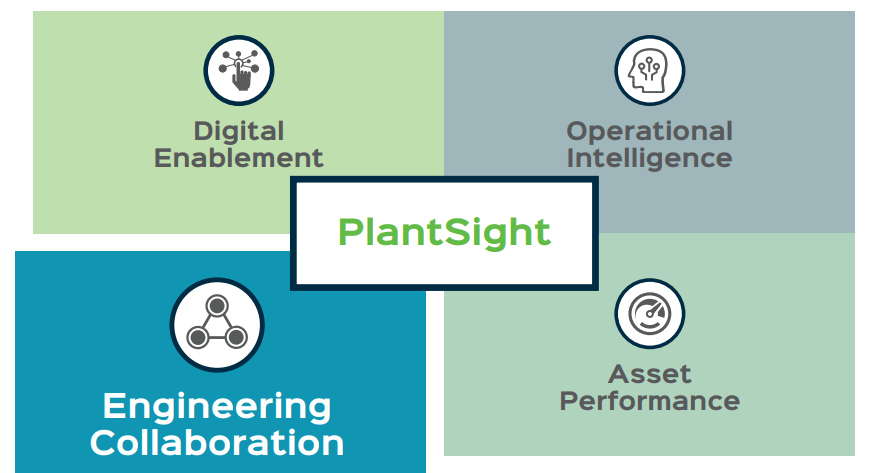
PlantSight – Engineering Collaboration

Introduction to PlantSight
You will gain line of sight throughout your operation with PlantSight, the digital solution to advance your process plant. Bentleys digital twin capabilities offer organizations a digital representation of their assets, including related processes and systems as well as the information that allows them to understand and model its performance across the whole lifecycle. PlantSight provides a single source of truth for any plant, allowing design engineers to make changes to design models themselves. Whether in-house or remotely, engineers can work as a team within an open and connected environment and review all changes collaboratively.

Data Alignment and Management
Central to any successful design phase of a new plant or an upgrade/modification is the ability to work with current engineering models and documents from multiple sources, including those from different vendors. PlantSight’s data aggregation web service eliminates disparate data silos by pulling together P&IDs, designs, 3D models, and other information from multiple software packages to design and build your digital twin. Combine and review not only models and design and construction data created with Bentley design tools, but also those from third party sources such as AVEVA and Hexagon.

Project Home Page
Record and view a timeline of changes by what, where, when and by whom, whenever any changes are made within the model
Clash detection helps to increase the accuracy of your design across 3D piping,
structures, equipment, and electrical and HVAC systems
Observe different views (1D, 2D or 3D) of models simultaneously in ‘Picture within Picture’ window

Engineering Collaboration at a Glance:

Create a Digital Twin

  • Capture data from multi-discipline engineering design tools
  • Leverage ContextCapture to create a reality mesh of a brownfield plant from photogrammetry
  • Extract meaning and important information from P&IDs using AI and machine learning
  • Import and label new P&ID symbols in minutes

Make changes to Digital Twin Through OpenPlant

  • Make and maintain changes with interoperability to OpenPlant in real time
  • Maintain 3D design of your plant piping, HVAC, mechanical, and electrical systems
  • Make small changes yourself and in-house
  • Add more users at any time
  • Out-of-the-box ISO 15926 compliant schema for classes, attributes, and relationships
  • Reuse existing designs, models, and associated data such as catalogues and specifications from SmartPlant 3D, E3D, PDMS, PDS, AutoPLANT, and PlantSpace Design Series

Data Visualization

  • Immersive 1D, 2D, and 3D visualization
  • Observe different views of models simultaneously in ‘View within View’ window
  • Select any component in either view and synchronize it in other view automatically
  • Select and visualize any asset type in the model, such as piping, equipment, and valves
  • Review and validate the accuracy of the data
  • Flag any discrepancies to issue resolution service

Tag & Data Management

  • Manage tags and data to ensure you have trustworthy and actionable information
  • Track how, when, and by whom the digital twin was changed
  • View, create, edit, and generate reports on engineering data in the PlantSight portal with Data Manager

Design Review

  • Design review, clash detection, and issue resolution
  • Easily share models, documents, and data with team members and collaborate in a distributed and scalable cloud environment
  • Review and access engineering data from anywhere using the cloud native web portal
  • Always work from single source of truth, eliminating duplicates, out of sync data, and information silos

Clash Detection

  • Perform clash detection remotely and collaboratively
  • Increase accuracy of your design across 3D piping, structure, equipment, electrical, and HVAC
  • Track and communicate inconsistencies with internal and external project members
  • Discover clashes early in the design phase

Version Comparison

  • Change tracking of complex engineering data
  • Models can be from OpenPlant, Aveva, Hexagon, Autodesk and other applications
  • Review changes between different states or milestones in the project over time
  • Visualize what was added, modified, removed, or left unchanged between versions
  • Discover when changes were made, by whom, and what changed in the data

Issue Resolution

  • Create issues related to changes or assets in the model
  • Assign issues to a role or a user
  • Add comments, attachments, images, and mark-ups to issues
  • Review and track issues using a customizable dashboard
  • Track and update all issues collaboratively and remotely

Cloud-based Collaboration

  • Leverages iTwin technology and services to create and maintain digital twin faster
  • Secure, scalable, and accessible through a web browser
  • Open environment enables seamless collaboration

Data Aggregation

  • Aggregate and view models from multiple sources in one digital twin (e.g. AVEVA, Hexagon, Autodesk)
  • Federate data from any 3D design application and P&ID into a single view
  • Generate insights from 1D, 2D, and 3D data in context

Digital Handover

  • Continuous information sharing from project to asset.
  • Foundation for master data management
  • Ensure accuracy and reliability of data
  • Reduces ramp up time by up to 80%
  • Aligned with ISO 19650

Chemical Industry Digest – September 2021 Issue

Chemingineering – Winds of Change
– K Sahasranaman, Independent Consultant
Our columnist talks about some of the interesting developments taking place in global wind power generation. Global wind power capacity has increased by 53% currently, but has to triple in the coming decade in the race to Net Zero.

Insight – Energy Efficiency in Multi-purpose Plants 
– Himanshu Sagar, Mott MacDonald India
To be globally competitive in the midst of increasing energy prices, environmentally cleaner processes, energy efficient manufacturing is critical for success. And today there are a suite of various techniques, modelling, digital technologies etc that enables highly energy  fficient processes as this brief overview points out.

Green Hydrogen as a Clean Energy Fuel for a Sustainable Economy
– Dr M P Sukumaran Nair
Green, Blue, Grey hydrogen are becoming buzz words in industry towards cleaner production routes for hydrogen, in global efforts to switch from fossil fuels to hydrogen. Article outlines the emerging situation on hydrogen and its use in replacing fossil fuels.

Drive Energy Efficiency with Decarbonization 
– Alan Rossiter
To achieve net zero emission zerocarbon or low carbon technologies are paramount. Such technologies are inherently energy efficient too, says the author, though challenges remain.

Striking the right balance with steam – Optimizing steam and power balance in a Greenfield refinery
– Debopam Chaudhuri, Fluor
Steam is a versatile heating medium in process industries with many applications in terms of direct use as well as to cogenerate power. Designing an optimized steam system particularly in a complex plant like refinery is challenging. The paper provides the basic steps & guidelines to achieve a proper steam balance in a refinery.

Need for next generation reforms to promote energy efficiency and climate change initiatives for industrial boilers
– Ajit Apte, Transparent Energy Systems Pvt Ltd
Developments in the boiler industry have been held hostage to the regulatory mechanisms and its irrational implementation by regulatory institutions, particularly the Boiler Inspectorates, according to the author. This has hindered the growth & progress of the industry, particularly the deployment of energy efficient boilers. The regulatory conundrum is well explained alongwith author’s suggestions for next generation reforms.

Improved design of condensate recovery system – Roadmap to effective steam management 
– Ashwini Tawade, Amresh Misra, Aker Solutions
For optimum and energy efficient steam management condensate recovery and waste heat issue is very important. This article describes important design elements in steam condensate recovery systems.

Designing a heat exchanger network
– Ashok Kumar Verma
Heat exchanger networks (HEN) save energy but designing HEN systems is challenging. Heuristic rules for optimising HEN are discussed.

An overview of energy efficiency in the drying processes
– Sachin R Shinde, Bhasker N Thorat, ICT-Bhubaneswar
Drying is another energy intensive separation process. An overview of drying technologies alongwith criteria for energy efficiency are outlined.

Enhance energy efficiency in entire steam generation & distribution system
– Lakshmana Rao V, Nanda Kishore Desapande, TCE Ltd
This article comprehensively discusses the entire steam generation & distribution systems, the role of steam, process integration, condensate recovery, automate monitoring of steam trays etc and how energy efficiency can be enhanced.

“Move from product level R&D to higher value chain areas by investing in creating technology platforms to deliver globally competitive edge” – Dr Richard Lobo, Tata Chemicals

This pandemic has reiterated the dire importance of innovation for combating a virulent virus that virtually held the entire world to ransom. R&D efforts globally succeeded in coming up with a handful of vaccines in a short time. India therefore recognises the importance of R&D like never before. Countries like Korea and Taiwan have got on to big league economies by leveraging R&D. India has a very good R&D infrastructure in place and a brilliant talent pool. What then holds us back or how can we convert the advantages we have in R&D to make India an economic super power while addressing the specific problems endemic to India.

To understand these challenges we interviewed Dr Richard Lobo, Head of Innovation & CQH (Business Excellence) at Tata Chemicals Ltd. His views on a wide range of areas of innovation & R&D are presented here including the R&D competencies at Tata Chemicals.

Excerpts from the interview:

Chemical Industry Digest (CID): It is widely acknowledged that despite the R&D infrastructure India has created, and the well-known high quality of scientific talent available in the country, our scorecard on original innovative achievements is poor. Except in a few government-run areas like space and nuclear energy, we have little to show in myriad other areas. What do you think are the reasons for this?

Dr Richard Lobo (RL): In the words of Socrates, “Wonder is the beginning of wisdom”. Innovation, especially R&D in many ways is rooted in this principle, built on the momentum of centuries of applying emotion and intellect to solve challenges facing human kind. The differentiation being a sharp nimbleness of speed to market, bringing together collaboration resources like never before and innovating for right outcomes.

India is blessed with the most brilliant minds and talent in the world, born out of institutions of eminence that sharpen not just skills, but also acumen. While R&D outcomes in space and nuclear energy are evident, there is significant effort in multi-disciplinary sciences delivering distinct differentiation. We might not be comparable with the international chemicals R&D spend, however in terms of focus on next generation chemistries and green chemistry areas, I find Indian Scientists and Researchers to be at the forefront.

While we have a gap to close, increasingly, firms are embracing innovation by investing in R&D, making it a key stone of their strategy. This is a positive shift. While India is ranked 48th in the Global Innovation Index 2020 and share 2.7 percent of the global R&D spends, there is a mind-set shift and this makes our future promising.

I believe, greater impetus on Industry-Academia collaborations, spurring on start-up ecosystems, encouraging MSME access to R&D Technologies awaiting piloting/ scale, while institutionalising Open Innovation and Hyper Innovation, will tell the difference.

CID: India’s gross expenditure on R&D is just 0.7 percent of our GDP. Out of this the private industry spending is only 37% and the rest 63 percent is from the government through government run R&D institutions. This is just the opposite of top ten economically developed countries like USA, Germany, and Japan and also of China, Korea etc. Why is Indian private industry, except to some extent the drugs & pharma companies, and a few specialties and fine chemical companies, not keen to invest in R&D?

RL: If we reflect, the Indian chemical industry produces more than 80,000 products across commodities, specialty chemicals, agro chemistry, petrochemicals, polymers and fertilisers, ranking 14th in chemical exports. The focus so far has been on taking intelligent risks and bolder bets, and taking their products/services globally, capturing markets. The mega-trends especially in the covid-impacted world are now shifting in the favour of domestic consumption sharply aligned to our B2B customer specifications and consumer tastes (for B2C). This is reason enough for increased attention to R&D investments. We are already witnessing green shoots in Technology licensing from government and Institution R&D labs, focus on scale up of processes and strengthening of IPR and claims/publications equity.

Agile response is another structural change which is being enabled through digitalisation. The focus is on easing, simplifying and improving the quality of R&D and investigation, liberating time earlier consumed in pain-staking efforts and accelerating the pace of R&D outcomes At Tata Chemicals, we have been a STEM (Science – Technology – Engineering – Mathematics) company since 1939. We were the pioneers in the iodisation of salt in India as part of nation building and we have been constantly evolving to leverage innovation and R&D over the past eight decades to deliver value to customers, become suppliers of choice, globally and serve society through science.

CID: Countries like USA, Korea, Japan etc. very successful in R&D, have a very strong alliances model for R&D, particularly, academia with industry. Such alliances are by far very few in India. Knowledge developed in higher centres of learning like engineering & science colleges at lab and pilot scales needs industry to transform that into industrial applications. How can such linkages be accelerated in India?

RL: Global MNCs are focusing on Asia to establish dedicated R&D centers, as part of the new rising trend of internationalisation and expansion. Interestingly, one-fourth of global Fortune 500 companies have set up R&D bases in India.

As this number grows, we need to realise the potential of collaborative models such as the industry and academia collaborations, which has been successful with institutes like IITs, IISc and CSIR labs. At Tata Chemicals we have a number of R&D Collaborations with these institutions of eminence and we find immense value in the partnerships.

An acceleration vector could be private players taking on a demonstrable and conscious role in recognising and investing in incubation centres and research parks for innovative developments in Indian institutes. While this involves patience to a certain extent and focused management time and attention, the outcomes would be beneficial to innovate and commercialise next generation R&D solutions.

CID: In the collaborations & sharing model of R&D, termed as open-source innovation, experts and R&D institutions, beyond the boundaries of a company, join together to do research in a specific area or to solve a specific problem. This model is being widely adopted now by many leading chemical industry global giants. What are your views on such an R&D models? Has Tata Chemicals considered such a model? What is the Tata Chemicals strategy on R&D?

RL: Open Innovation /Collaborative R&D in recent times help companies and start-ups dare to “wonder boldly”, nurture their ideas and rapidly harness the eco-systems, pivoting themselves effectively. Organisations that are open to invest mind-share in hyper innovation strategies will find their High Potential Talent take the Organisations to their full potential.

At Tata Chemicals, we have invested in world-class R&D facilities focused on developing Next Generation and Science – differentiated innovations around Performance Material Sciences, Nutrition, Agri, and Energy Sciences. This allows us to have relentless focus on Excellence in our Core businesses and adjacencies while seeding innovation for the future to harness the best of science, serving our Communities with care, while delivering Customer delight – domestically and internationally.

We believe in collaborations and alliances to build differentiated products. We encourage synergies between all the R&D streams and are also collaborating with scientific institutes and investing in digital technologies to deliver Science-led differentiation.

There are some important transformation areas I have been working on to embed this culture.

• Mind set of Collaboration based on Mutual Trust in innovation
• Increase Risk Taking Appetite in R&D by sharing internal information within IP frameworks
• Accelerated conviction to develop Sustainable solutions that deliver Societal and Social Impact
• Budget for Success ; Prepare for Failing Fast.

CID: A major challenge cited by many companies in India is that they don’t get candidates with an R&D attitude. One of the reasons is that our educational system, even the higher institutes of engineering and science, doesn’t foster creative, critical and analytical thinking which also needs raising thought-provoking questions. Therefore R&D companies say that candidates fresh from colleges need additional orientation & training to inculcate thinking innovatively. What are your comments on this?

RL: B-Schools / Academic Institutions focus on foundation blocks and imparting skills that are essential; while the corporate world provides the experience opportunity to implement and sharpen these skills. With strong foundations, one can build further skills and character. Those that embrace the value of learning the foundation-building blocks of the skills are able to use it as a launchpad to apply critical thinking and courage to deliver value ahead in life Additionally, companies need to bear in mind that investments in R&D should not only be restricted to developing research facilities but also constantly skilling and training their employees.

Finally, focus on nurturing an Open Innovation Culture including a flexible governance process allowing for rewarding experimental approaches and tolerance towards higher degrees of risk and failure.

CID: What should be the objective of R&D of Indian companies? How should an Indian corporate R&D or any research institution go about selecting the areas or topics for research? How do you go about it?

RL: R&D efforts rooted in delivering long term sustainability, improving the quality of products/chemistry ingredients, improving safety, reducing cycle time, increasing yield, should be the first stages of focus.

The next stages are moving from product level R&D to higher value chain areas by investing in creating Technology platforms which will deliver global competitive edge. For instance at Tata Chemicals, we have developed distinct competitive advantages in platforms of Fermentation Technology, Nano-technology, Bio-technology and Molecular breeding.

Finally, focusing on issues addressing industry would be crucial; for example addressing issues of industrial emissions, Sustainable energy management, recycling and waste management, waste-to-energy.

CID: Briefly, what are some of the major achievements of Tata Chemicals R&D? Which are some of your major areas of research? And what are your plans for R&D for the next decade? There are powerful enabling tools that have arrived thru digitalization as also programs like AI. Would you be using such tools in your labs?

RL: We have four R&D Centres in the country focused on delivering cutting-edge technological solutions and a customer-centric scientific problem-solving approach for sustainable differentiation.

We have a number of products born out of our R&D centre over the years; some of the recent ones are:
• Highly dispersible Silica through green patented Technology which improves tyre performance and reduces consumption of fuel.
• Nano ZnO as anti-microbial and antiviral ingredient for use in PPEs in the fight against covid-19, besides cosmetics and other industrial applications.
• Development of synergistically acting symbiotics for immunity; long-chain oligofructose (Inulin); and enzyme encapsulation technology with better thermo-stability to enhance feed shelf life.
• The development of Staple food fortification Premixes; FOS/ Prebiotic as natural sweetener in sugar free Chyawanprash to improve immunity during the pandemic.
• Medikarb – India’s first branded pharmaceutical grade sodium bicarbonate.
• Development of natural extracts with high bioactives for food and pharma industry.
• GMS marker development and deployment in Cotton and Chilli.
• Water soluble Fertilizers: Aquafert Foliar – Vegetables and Aquafert Fertigation – Grapes.

At present, the Company has filed a cumulative of 163 patents and generated intellectual capital through publications in international peer-reviewed journals. We have been focusing on developing significant competencies in the area of Gut Microbiome, Nano Technology and Performance Materials, Bio Technology, Molecular breeding, besides focus on Data Analytics and Applied Computational Biology.

For the future, we are seeding capabilities in Synthetic biology – simulation, gene synthesis and over expression for enzymes; RGA technologies across crops, strengthening gene editing capabilities, improving bio-actives availability in medicinal herbs through Aeroponics, Performance Silica and materials, Chemical Intermediates, Flow Chemistry to name a few.

In the future, we aim on intensifying our R&D to develop new products, new applications and process improvements. We are also looking at increasing the use of IIoT (Industrial Internet of Things), AI (Artificial Intelligence), data analytics and technology to improve R&D capabilities – for example, Machine learning (ML) algorithms for Genomic Prediction in Maize.

We have been recognised by peers with CII’s India’s top 25 Most Innovative Companies in 2019 and 2020, FICCI Product Innovator of the Year Award, Acharya P.C. Ray Award by the Indian Chemical Council, to name a few. These recognitions provide great assurance that R&D in India is gaining high momentum and India is on the right path, poised to propel the Industry, Research Institutions and Academia into the World Class. Advantage India- Atmanirbhar India.

Chemical Industry Digest – August 2021 Issue

0

Interview: Dr Richard Lobo, Tata Chemicals on R&D 
Despite India’s fairly good well laidout research and development infrastructure and very talented scientific human resources, India’s showing on this front is yet to reflect its true potential. In this interview, Dr Richard Lobo explains the reasons and the bright future awaiting India on the research and development front.

Green Ammonia for a Sustainable Future 
– R G Rajan, Independent Consultant
Due to pressures from climate change and the need for energy efficiency there are compelling reasons for shifting to the production and use of green ammonia. This paper overviews the various processes of producing green ammonia, various electrolytic systems, the challenges of making green ammonia viable along with the use of green ammonia.

Ruthenium based Catalysts for Ammonia Synthesis 
– B. Viswanathan, Independent Consultant
Today, a lot of research is being undertaken for the development of alternate catalyst systems other than the conventional iron-based catalysts for ammonia synthesis. This article reviews the prospect of ruthenium based catalysts for producing ammonia and the challenges involved in its commercialisation.

Crop Protection Chemicals: Future Pathways and Opportunities
– Dr Manjula Alla, Dr Srinivas Kantevari, CSIR-IICT 
The crop protection chemical industry is currently facing daunting challenges. However, these are also opening up new opportunities to enter into newer areas such as bio-products and / hybrids and integrated pest management. Severe sustainability pressures are pushing agrochemical companies into creating environmentally benign products with new chemistries. This paper reviews these developments comprehensively.

Technology Solutions Catalyze Growth of the Chemical Industry
– Dr Kamlesh Kushalkar, Huntsman International India Pvt Ltd
The chemical industry has been a knowledge driven industry since inception. Several challenges facing the industry including the latest due to the pandemic have created new drivers of change for the chemical industry. In this drive the industry is being greatly enabled through the latest set of digital tools such as Artificial Intelligence (AI), Internet
of Things (IoT), data analytics, robotics, etc. Read the interesting possibilities from this.

Out of the Box – Solutions to Industrial Problems 
– S Raghava Chari, Industry Consultant
The author reveals how challenging problems, mainly in the fertiliser sector, with regards to air compressors, leaks from seawater pipeline spools, corrosion affecting a plants illumination system and a few more were solved due to novel methods.

InFocus
METTLER TOLEDO Thornton Releases the Next Generation Silica Analyzer Boosting Productivity with Breakthrough Combined Measurement Technology

Chemingineering – Ammonia 2.0 
– K Sahasranaman, Independent Consultant
Despite the continuous optimization of the 100 year old Haber-Bosch ammonia process and the reduction in energy consumption achieved till date, it continues to be an energy guzzler. Our columnist reviews the various developments in developing newer catalysts that
hold the promise of making the ammonia process energy efficient as well as sustainable.

Chemingineering – Ammonia 2.0

The 100-year old Haber-Bosch process for the production of ammonia is an energy guzzler and also a big contributor towards global warming. More sustainable alternatives using biocatalysts, photocatalysts and electrocatalysts are in early stages of development. They hold out the promise of producing ammonia from water and air using only renewable energy like solar and wind.

The Haber-Bosch process for synthesis of ammonia is widely regarded as the most significant, if not the greatest, invention of the 20th Century. It ensured food security for the masses and is even believed to be responsible for the explosive population growth in the last century. More than half the nitrogen in an average human is estimated to have been produced by this process. But viewed through the lens of climate emergency, the Haber-Bosch process leaves much to be desired. One percent of the all the energy consumed in the world goes into the manufacture of ammonia. Ammonia production accounts for 1.4 percent of the global emission of carbon dioxide. For every ton of ammonia produced, 1.9 tons of carbon dioxide is released into the atmosphere.The carbon footprint of the Haber-Bosch process is elephantine and a more sustainable alternative is the need of the hour.

Reversible Chemistry
The chemistry of ammonia synthesis is a de rigueur example to illustrate the Le Chatelier’s Principle in undergraduate classrooms. The equilibrium of the reversible chemical reaction is favoured by high pressure and low temperature. A catalyst is required to achieve commercially feasible kinetics. Even with the best catalyst, temperatures in excess of 400 degrees celsius and pressures north of 80 bar are required for a decent degree of equilibrium conversion. The catalyst used in the process is iron promoted with alumina and potash and hasn’t changed much from the one first used by Karl Bosch at BASF in 1909. Considerable amount of time and money has been spent on studying and understanding the catalyst. There have been many improvements, but only marginal. Ruthenium has been proposed as a more efficient, though expensive, catalyst. The optimisation of the ammonia process has been largely related to energy integration and no new catalysts have emerged in the last hundred years to challenge the dominance of the iron-based catalysts.

Biocatalysis
Before the advent of the Haber-Bosch process, plants relied entirely on bacteria for their daily nitrogen fix. Nitrogenase, the bacterial enzyme responsible for reducing nitrogen to ammonia, was isolated and purified half a century ago and has been one of the most intensely studied alternatives for ammonia synthesis. Three types of nitrogenase have been isolated from the bacteria -iron (Fe), molybdenum-iron (MoFe) and vanadium-iron (VFe). MoFenitrogenase is the most widely investigated and understood among the three. The nitrogenase is made up of two oxygen sensitive protein units which function in tandem, one serving as a catalyst and the other serving as a reducing agent. Nitrogen binds to the catalytic MoFeprotein and is reduced to ammonia. The other protein hydrolyses energy carrying Adenosine Triphosphate (ATP) molecules to Adenosine Diphosphate (ADP) and transfers electrons to the catalytic protein for the reduction reaction. Despite the great advances in elucidating the molecular structure of the MoFenitrogenase, the mechanism of the nitrogenase-mediated cleavage of the nitrogen – nitrogen bond continues to be a mystery. Immobilising nitrogenase on electrodes will open up avenues for utilising renewable energy to carry out a biological process.

Photocatalysis
Another alternative approach is the photocatalytic route in which sunlight is harvested to synthesise ammonia from nitrogen and water. Photosynthesis of ammonia draws inspiration from the bacterial process occurring in nature. Sunlight hitting a semiconductor excites the electrons into the conduction band where the nitrogen is reduced to ammonia with the holes in the valence band oxidising water and liberating the protons required for synthesis. The pioneers of the photocatalytic synthesis of ammonia are Schrauzer and Guth, who in 1977 demonstrated the ability of titanium dioxide to reduce nitrogen to ammonia in the presence of water and sunlight. This spurred a series of studies using various metal oxides like iron oxide, zinc oxide, tungsten oxide, gallium oxide, etc. Layers of conductive polymers have been added to the light absorbing surfaces to raise the energy levels of the conduction band. Biomimetic photocatalysts have also been developed. Two interlinked reactions take place on the surface of the photocatalyst – water splitting and nitrogen reduction. While the Haber-Bosch process relies on the dissociative pathway requiring extremely high energy to cleave the N-N triple bonds, the photocatalytic reduction uses the associative pathway in which nitrogen molecules on the catalyst are hydrogenated.

Electrocatalysts
Electrocatalytic reduction of nitrogen to ammonia is attracting a great deal of curiosity because of the mild operating conditions and zero carbon dioxide emission. The first electrochemical synthesis of ammonia was reported in 1985. Since then, a variety of catalyst systems have been investigated, but the yield of ammonia continues to be very poor and nowhere near commercialisation.The yields are presently so low that the researchers find it difficult to establish beyond a shadow of doubt that the ammonia has actually come from nitrogen reduction and not emerged through contamination. Some of the more promising electrocatalysts are based on iron, molybdenum, rhenium and ruthenium. Electrolytes ranging from polymers at room temperatures to ceramics at high temperatures have been studied. The challenge is to develop high-performance catalysts, which can give a higher faradaic efficiency by supressing the competing water splitting reaction resulting in hydrogen. Nanoclusters with various customised morphologies are being actively examined. If and when the electrochemical technology becomes successful, ammonia production can be coupled to a renewable source of power like solar or wind.

Afterword
Nitrogen molecule is the most stable diatomic molecule with the triple bond between the two nitrogen atoms being one of the strongest chemical bonds having a disassociation enthalpy of 226 kcal/mol. The catalysts for reducing nitrogen to ammonia must be able to activate the extremely docile nitrogen molecules and promote the thermodynamically uphill reaction to occur at reasonable rates. The key to a more sustainable alternative for ammonia synthesis lies in developing a high-performance catalyst that is active, selective and scalable. The alternative routes for ammonia synthesis offered by biocatalysis, photocatalysis and electrocatalysis are presently in a stage of infancy. A great deal of fundamental work in understanding the reaction mechanisms needs to be done before these technologies mature and can be launched in the market. An additional important advantage of these alternative technologies is that ammonia production can be distributed and located closer to consumers.

Readers’ responses may be sent to:
k.sahasranaman@gmail.com or
chemindigest@gmail.com

Biofuel: Importance Towards Agriculture and Society

Abstract
Biofuel is not a hypothesis anymore. It has become inevitable for the developing countries like India who are dependent on others for fossil fuels, a requisite not only for the economy or Energy certainty, but for agricultural development and the social health. On this occasion of World Biofuel Day, we should resolve for increasing the usage of Biofuel.   

This earth, air, soil and water, we haven’t inherited from our ancestors but this is the debt we have taken on account from our next generation. It’s our responsibility to pass on this heritage to our future generations in the same way we received.

-Mahatma Gandhi

These words of Gandhiji, are coming to my mind today on this occasion of the World Biofuel Day, who made the evolutionary approach of the human race making aware of the reality. After Gandhiji, the fourth generation has now ridden on the chariot of development of India. In this post-independence migration, we are experiencing great transition and radical change. But, while enjoying these fruits of development, we are unknowingly sowing the seeds of destruction for future generations, already resulted in global warming. It would be inevitable now to put into practicing the idea of ​​handing over the heritage received from the Mother Earth to the coming generations at least in the same intact form.

Every year on the 10th of August, World Biofuel Day is celebrated. On the same day in 1893, Rudolf Diesel had begun model testing of engines running on liquid fuels, groundnut oil, instead of steam-power. Later, after the Second World War, due to an increased private vehicles usage and the availability of fossil fuels, Biofuel production efforts were lagged behind. After the fuel crisis in the seventies of this century, Brazil and America re-started efforts and initiated ethanol production using the basis of sugarcane and maize crops. Their success made other nations, to take steps towards bringing this thought forward in practice. Pollution by fossil fuels and global warming are the main reasons which have made the proposition of production of ​​alternative fuel predominant in 21st century. The Royal Society of London, in one of its research amendments published in 2020, has said that the rise in Greenhouse gas emission, the root cause for the global warming, is due to the high outflow from the vehicle emission. In 2018, due to usage of vehicle fuels, in the world, 96.3% of the share was from fossil fuels. Out of the total greenhouse gas emissions in the world, 15% and 23% of the emissions are due to the usage of vehicles, alone.

The dependency on fossil fuel is inexorable and its consequences are graver. Due to the ignition of fuels, the percentage of air pollutants such as carbon dioxide, ozone, sulfate, formaldehyde and benzene is increased in the air. Asthma, pneumonia, pleurisy, sore throat, burning of the eyes, digestive disorders, brain disorders, cancer, inefficient functioning of organs resulting in fatal diseases can be the result due to this pollution.

On one hand, fossil fuels are causing pollution, and, on the other hand, burning of Biomass, such as crop residue and squandered crops, are promoting the rise in pollution. A survey says, burning of one ton straw results in loss of the nutritional components such as 5.5 kg of Nitrogen, 2.3 kg of Phosphorus, 25 kg of Potassium and more than 1 kg of Sulphur which improve the fertilizing power of the agro fields. Instead of burning the crop residue can be used for production of Advance biofuel such as 2nd generation biofuel. Agriculture and allied production directly get harmed by pollution and we can see the research amendments from all over the world. Professor Piona Marshall, Department of Environment and Development, University of Sussex, England, says, “due to increased global temperature, there is increase in amount of ozone in the form of trioxygen, found highly at the places having high temperatures and vehicular pollution. Pollution creating industries are shifted and relocated outside the cities, usually near agricultural areas. This has direct effect on the crop production.”  In 2030, there is possible rise in the crop residue like straw by 1.5% than in 2010. “In 2010, this stubble was about 55.6 Crore tons and in 2030, will rise to 86.8 Crore tons,” the International Council on Clean Transportation (ICCT) has said in a research exercise, “The Future of Biofuel in India”, published in December 2019. According to their findings, by 2030, India will have 7.1 Crore tons of agricultural crop residue like straw will be available for Biofuel production. By keeping the required percentage of straw to maintain soil organic health and utilization the surplus for biofuel and other related applications will maintain the soil fertility. The alternative sources can also be corroborated for the production of biofuels from planting of energy crops on non-cultivated land, using animal ding, wasted cooking oil, solid waste within the municipal limits.  Production biofuels by utilizing above listed carbon sources is better solution than burning of crop residues in the field. Accordingly, MoPNG has guided the Oil marketing companies to set up Twelve 2nd generation bioethanol projects. In phase one five projects are being set up in Punjab, Haryana, Orissa, Karnataka and Assam. Here, using around 5 lakh tons of agricultural stubble, 11 Crore tons of 2nd generation bioethanol will be produced and used for blending in gasoline. Another scheme of MoPNG called SATAT, under which 5000 CBG plants are going to be set up across India and this will replace existing CNG consumption in transport. The CBG will be procured by Oil marketing companies at the rate of INR 46/kg. Also, MNRE, GoI is providing a grant up to INR 10 Crore to attract investors and entrepreneurs to set up CBG projects in India. Bioethanol from agricultural crop residue and CBG from pressmud, crop residue and animal wastes are considered as the advance biofuels. By product from the process of production CBG is better organic manure and will boost the organic farming.  Most of the nations in the world are inescapably dependent for fuel. With the help of these unconventional, bio-based energy production alternatives, these nations can be empowered.  Biofuels, being studied around the world, are more effective in preventing the environmental damage than the fossil fuels. They also result in rural employment generation and increase in farmers’ income. A research published last year by the Royal Society of London says, the plantation should be done in additional fields as the 2nd generation ethanol has more potential to prevent environmental damage than the 1st generation ethanol. Therefore, the usage of biofuel, an effective means of sustainable development is now a necessity.


Vasudeo Joshi
Vice President, Advance Biofuels & Renewable Gas
Praj Industries Ltd.

Advertisement

Newsletter

Subscribe to our FREE Newsletter & Stay Updated

Advertisement