Sustainability is one of the major concerns of the chemical industry today. The industry has taken cognizance of the severity of the issue and the global chemical fraternity is consciously aiming to incorporate product sustainability in their value chain. Applying green chemistry metrics to the chemical processes can play a pivotal role in minimising the discharge of hazardous substances in the environment. It enforces the substitution of these toxic chemical ingredients used in industrial manufacturing, with green (eco-friendly/biodegradable) materials.
Green chemistry reduces pollution to an extent at its source by minimising or eliminating the hazards of chemical feedstocks, reagents, solvents, and products. For greening of existing products and development of new products, chemical companies can take the following steps:
Reducing the dependence on fossil fuels
Chemical companies in India and other countries have been relying on fossil fuel-based hydrocarbons to form dyes and develop almost every chemical or material within the marketplace. This dependence cannot continue for long if we want sustainable development of the industry without deteriorating our environment. Fossil fuels aren’t just used as a feedstock for the chemical reactions, they also supply the required heat and pressure to carry out the processes. One of the main downsides of this dependence is that the combustion of these naturally fossilized substances produces carbon dioxide (CO2) and other waste products that are harmful to human health and the environment.
Using raw materials and feedstocks that are renewable rather than depleting will help in reducing the dependency on fossil fuels. These feedstocks are often made from products related to agriculture or the wastes of other processes. Depleting feedstocks are made from petroleum, natural gas, coal or are mined.
Formulating products with little or no toxicity to humans and the environment
One of the most important steps during formulating and developing a product is the selection of raw materials and manufacturing inputs. The selection of raw materials, chemicals, or substances that are used to manufacture a product can determine how consumers perceive a product and its impact on human health and the environment. Over several thousands of commercial products have been registered for use in India, which are of the foremost concern and require alternatives.
Designing chemical products to break down into harmless substances
Designing products for degradation is another principle of green chemistry. Chemical products should be designed in such a way that they could be broken down into innocuous substances after use, it will prevent them from getting accumulated in the environment. Products should be stable and not highly reactive for their intended use lifetime before being rapidly degraded once they enter the environment. To tackle the growing issue of chemicals in the environment, research is needed to study molecular triggers or chemical switches to activate the degradation of active ingredients following excretion into the environment after use.
Importance of R&D in manufacturing Green Products: Researchand development plays a critical role in managing and reducing environmental impact across all activities, products, and programs right from their creation until disposal. It constantly reinvigorates companies to pioneer innovative processes which make efficient use of natural resources at their disposal.
Following the principles of sustainable chemistry will minimize the usage of unnecessary chemicals and reduce the amount of waste that is generated. This will allow for better efficiencies which in turn result in lower costs and higher profits that will definitely benefit the speciality chemical industry and propel us to the top!
Continuous Flow Technology – A disruptive innovation towards an intelligent and inherently safer chemical industry – Alessandra Vizza, Corning Reactor Technologies
Continuous flow reactor technology, a disruptive innovation has manifold benefits. It is inherently safer, and also efficient and is capable of yielding better quality finished products. Read its full benefits in detail.
Stop Inconsistent Mixing – A Range of Factors can Contribute to Erratic Performance – David S. Dickey, MixTech Inc
Here the author talks about the problems related to mixing. The article explains the
important variables and parameters needed for good mixing with the help of appropriate
equipment. Right steps create a consistent and successful mixing process.
Decarbonisation, Electrification and the Case for Modern Electric Process Heaters – Dennis Long, Watlow
The feared consequences of global warming, are pressurising companies to reduce
their carbon footprints in their manufacturing. Several processes and activities are
shifting to electrical energy. One such development of modern electric heat exchangers
is described.
Out of the Box – Solutions to Industrial Problems – S Raghava Chari, Industry Consultant
The author talks about how he successfully solved turbine outage problems, shell flange leaks and issues related to poor antifriction bearings.
Chemingineering – More from Less – K Sahasranaman, Independent Consultant
Our columnist explains the importance of process intensification which in simple terms is obtaining much more from far less. From smaller equipment to minimal waste of resources and increased productivities are the characteristics of this technique.
InFocus
Stop Postponing Tank Calibration – METTLER TOLEDO
White Paper
The Sprint to the Summit: Unlocking Lab Efficiency through Digital Transformation. PerkinElmer, Inc
Sustainability has become the most important philosophy for success in business and industry, and a deciding criteria for customers and investors alike.. Several international energy and chemical companies have aligned their corporate sustainability goals with the UN’s SDGs. Many are making progress towards formulating and executing well-thought-out strategies to improve and manage sustainability proactively.
Introduced in 2015, the UN Sustainable Development Goals (SDGs) represented an agenda for sustainable development. While very general, the goals outlined the aim to achieve a better and more sustainable future for all. With UN Resolution 70/1, the UN General Assembly established 2030 as the target year for achieving the following sustainable development goals (Table 1).
United Nations Sustainable Development Goals
Across industry, sustainability is now front and center for customers and investors alike. Several international energy and chemical companies have aligned their corporate sustainability goals with the UN’s SDGs. Many are making progress towards formulating and executing well-thought-out strategies to improve and manage sustainability proactively. Leading industrial companies such as ExxonMobil, Dow, Saudi Aramco, and Shell have publicly announced somewhat different sustainability approaches.
ExxonMobil, for example, has articulated a commitment to producing the energy and chemical products that are essential to modern life, economic development, and improved standards of living and for protecting people, the environment, and the well-being of communities near its operations; and to employ advanced technologies to improve the sustainability of its current businesses. Dow is collaborating with like-minded partners to advance the well-being of humanity by helping lead the transition to a sustainable planet and society. Dow, one of the world’s leading materials science companies, has expressed a commitment to using science-based solutions and acting collaboratively to help lead the transition to a more sustainable society, employing a circular economy paradigm. Shell’s sustainability approach is built on a foundation of safe, efficient, responsible, and profitable operations. According to Shell, it will strive to produce and deliver energy responsibly, and in a way that respects people, their safety and environment. At the simplest level, this means “doing no harm,” and involves a portfolio shift toward renewables.
Saudi Aramco’s approach involves pushing the limits of creativity and technology to drive down the carbon intensity of energy products. To this end, the company is increasing research into new, carbon-neutral feedstocks to provide meaningful solutions to the energy and climate challenges.
Sustainability Goes Beyond Environmental, Social, and Governance
People and organisations outside the industry want to better understand how the energy and chemicals sectors are evolving. This includes the impact of these sectors’ activities on people and the environment and the associated risks, opportunities, and trade-offs. One of the ways companies respond to these requests is through corporate reporting, specifically non-financial, environmental, social, and governance (ESG) reporting. ESG criteria provide a set of standards for a company’s operations that socially conscious investors use to screen potential investments.
The environmental criteria considers how a company performs as a steward of nature. Social criteria examines how it manages relationships with employees, suppliers, customers, and the communities in which it operates. Governance criteria considers factors such as transparency of reporting on sustainability progress, embedding sustainability culture throughout an organisation, reporting on how investor dollars are applied, and how an organisation manages its data to protect customers and minimise cyber risk. Sustainability, however, is broader than ESG and extends to meeting the business and other needs of the present, but without compromising the ability to meet the needs of future generations.
Parties in the supply chain – suppliers as well as customers – are also refining their expectations of transparency. Purchasing tenders now often integrate sustainability as a pre-qualification item. High qualityreporting can make the difference in gaining valuable contracts from companies that have similar values. Companies can also mitigate supply chain risks of poor social and environment practices by encouraging transparency throughout their procurement processes.
Based on ARC Advisory Group’s Research
During the first half of 2020, ARC Advisory Group conducted research to gain a better understanding of the current state of sustainability and “green initiatives” in the chemical and energy industries. Specifically, we wanted to learn where companies are focusing their efforts, what challenges they face, and ultimately, how they believe digitalisation and other technologies can advance their sustainability initiatives.
The research findings show that 90 percent of global energy and chemical companies have sustainability initiatives in place. In general, the sustainability initiatives at energy companies focus on the transition to a lower carbon future, while chemical companies focus these initiatives on producing more sustainable products. In other words, products that meet the increasing customer demand for a more circular economy, with increased recycling and reuse of products and materials. For both industry segments, improving operational safety also plays a vital role, since for many companies this is part of the license to operate.
Government regulation and mounting consumer pressure are driving the investment in sustainable products and lower-carbon energy through carbon taxes, fuel standards, and a ban on single-use plastics. In addition, one of the world’s largest investment firms, BlackRock, with nearly $7 trillion under management (including huge stakes in leading industrial manufacturing and energy companies), recently announced that sustainability issues would be at the center of its investment strategies moving forward.
Key findings relative to sustainability initiatives include:
Lack of capital and resources and aging assets are top barriers to meeting sustainability objectives
Customer buying preference drives company sustainability programs and access to capital
Improving operational safety is a key element of most sustainability initiatives
Digitalisation plays a key role in ensuring progress in meeting sustainability objectives
Importance of Digital Transformation to Achieve Sustainability Goals
ARC believes digital transformation spans industrial products, operations, value chains, and aftermarket services. It augments people and knowledge through expanded use of sensors, data, and analytics. Most industrial process companies globally will undergo a digital transformation to some degree or other, with many already actively using technology to improve both business and environmental performance and sustainability. Digital enablement of new business models and finding new ways to bring products or services to market is a key capability in sustainable manufacturing. Below are findings from ARC’s survey (Fig 1).
How Valuable Are These Digital Capabilities for Improving Sustainability?
Seventy-five percent of survey respondents believe digital transformation is extremely important or very important for achieving sustainability goals. The following digital capabilities were ranked in order of their importance to improve sustainability:
Supply chain optimisation to coordinate, manage, and improve the transparency of connected processes across different organisational silos; and coordinate processes to improve supply chain demands or product customisation and satisfy customer needs for sustainable products.
Advanced process control (APC) to reduce process variability, minimise costly product giveaway, optimise processes against constraints, and support autonomous operations (wherever appropriate). APC based optimisation can also coordinate multi-unit dynamic process optimisation to help close the gap between plan versus actual production.
Energy and utility optimisation using process modeling and simulation technology to improve the process design, optimise energy efficiency andprocessing, and improve maintenance.
Predictive and prescriptive maintenance to improve asset utilisation and return on capital by use of machine learning and advanced analytic s to shift maintenance operations to predict failures and avoid process disturbances and equipment downtime.
ARC’s interviews with industry leaders revealed that operations management systems are a high priority. Human reliability and knowledge management through state-based control and other approaches have greater importance in the context of sustainability objectives. Product waste and energy losses often occur when workers do not have a good grasp on procedures and operational competency. For example, performing process startups, shutdowns, or other critical activities require established procedures that tie back to the experience level of workers and the operations management systems in place.
Barriers to Meeting Sustainability Objectives
In general, the larger the company, the better its capability to pursue sustainability objectives aggressively. Because hypothetically at least they have more resources to devote to those objectives. However, several people we spoke with indicated that funding decisions are made at the board level at larger companies, and many board members might not have clear insights and visibility to properly address sustainability. This is especially true given the age of much of the asset base in the energy and chemicals industry.
The majority of infrastructure for heavy industry was designed and builtwithout sensitivity to sustainability goals or the development of more recent business models. In fact, most facilities were built prior to digital technology, and are designed principally around operational philosophies that date back to the 1980s. Unfortunately, it is not reasonable to think that industry will somehow change overnight or be supple enough to react to even the simplest of outside pressures for sustainability concerns. Older plants or facilities typically lack the base of sensors, instrumentation, and digital systems needed to optimise efficiency. The justification for modernisation can be difficult, and the conversion and installation process usually must be completed during a turnaround or shutdown.
The economics of driving complex change into highly energised and potentially dangerous assets that need to run at high levels of reliability are challenging. Owner operators in general, and field operations, are often very resistant to change, whether upgrading manufacturing assets or introducing digitalisation, because when they introduce change, they also need to go through a rigorous engineering design process to ensure integrity.
Management of change (MOC) processes tend to stifle innovation for sustainability, creating a huge gap between what the head office people think is possible and desirable versus what field operations people think is possible and desirable. Head office staff such as IT, central engineering, or other centralised project or improvement type roles are constantly exposed to vendor conferences and information sources that form their perspective about what is possible. Workers in the field, however, often do not receive that same exposure to information. This gap between what field personnel understands about digital innovation, versus what the home office understands creates an additional barrier to improving sustainability.
Chemical companies are preparing for a customer driven trend for stronger and more sustainable materials for the auto industry. This changes market strategy with differentiating products. The physical properties of what is sold is of greater importance now; specifically, how physical properties satisfy the need for re-usable products and products which are ‘circular’ in their ability to be re-used in a supply chain. The increased use of recycled resins can create a dilemma for automotive designers. There is a growing initiative to increase recycled materials content in products globally, and traditional methods of recycling polymeric materials in both thermoplastics and thermosets can lead to degradation of engineering, mechanical, processing, and/or aesthetic properties of the resin. In an era where product quality rules, this situation forces designers to accept a much lower percentage of recyclate than they might otherwise wish to use or risk unacceptable property loss in molded parts. This is something no automaker can afford. Hence, a valuable feed stream of materials (polymers) often ends up destined for a landfill once many consumer products are broken down and more easily reusable or recyclable materials are repurposed.
To help address the increasing pressure they face from the investment community and energy consumers, energy companies, in turn, are focusing on how they can continue to meet the world’s energy demands, while transitioning to wind, solar, geothermal, hydro, and other renewable and non-polluting energy sources.
Conclusion
Clearly, sustainability within the global energy and chemical industries is a multi-faceted concept that encompasses more than just environment, safety, and governance. Overall business sustainability through operational excellence and margin optimisation remain important objectives. In addition, due to the differing challenges each of those industries face, each has a somewhat different objective and focus for its sustainability initiatives.
While the vast majority of global energy and chemical companies have sustainability initiatives in place, based on ARC research, it appears that the sustainability initiatives at energy companies focus largely on the transition to a lower carbon future via increased use of wind, solar, hydro, geothermal, and other renewable energy sources; while chemical companies tend to focus their sustainability initiatives on developing and producing more sustainable, circular products characterised by low-carbon footprint and extensive use of renewable and/or recycled raw materials that can support reusable and/or recyclable end products for customers. For both industry segments, improving operational safety also plays a vital role, since, for many companies this is part of the license to operate. And for both industry segments, digital transformation is seen as an important enabler for business and ESG sustainability. A combination of regulatory pressures, customer pressures, and pressures from the investment community are forcing energy and chemical companies to move forward with their respective sustainability initiatives.
The pressure on companies in the European Union is increasing, to become part of the European Union Green Deal. Chemical companies in Europe often implemented programmes, which are even more aggressive, and outlined concrete plans on how to become climate neutral even long before the deadlines set by the European Union. As European chemical companies started inviting their Asian supplies to be part of the programme, it is just a question of time till the same requirements will apply to Indian chemical manufacturers as well, directly or indirectly. Instead of waiting till they cannot avoid anymore the unavoidable, Indian chemical companies should consider to be at the forefront of this movement and benefit from the increasing importance of being sustainable to improve their image in the perception of their European customers, and as a result their market position in Europe
Indian chemical companies, which supply to Europe understand that doing business with European companies is more than offering the right quality at an attractive price. Without a EACH registration, the potential customer will not even test a product. And even if a company passes this hurdle, it is necessary to create enough confidence during lab and plant trials, that the customer is sure of the technical capabilities. In addition, the supplier needs to prove over a longer period of time his logistical performance, and he needs to have a good partner in Europe, who is capable of answering customer queries and complaints in a satisfactory way, so that the company is seen as a reliable partner which European customers trust. Nevertheless, not even this will be sufficient in the future. The global challenges resulting from climate change made us all aware, that the way we live our life and how we do business needs to change. For Europe, the European Union decided that they want to implement a number of measures to make our life greener and summarises this bundle of measures in a plan called the European Union Green Deal. There are a number of points which are addressed in this European Union Green Deal.
The policy areas which are in focus are:
1. Biodiversity: Measures to protect the fragile ecosystem
2. From Farm to Fork: Ways to ensure more sustainable food systems
3. Sustainable agriculture
4. Clean energy
5. Sustainable industry: Ways to ensure more sustainable, more environmentally respectful production cycles
6. Building and renovating: The need for a cleaner construction sector
7. Sustainable mobility: Promoting more sustainable means of transport
8. Eliminating pollution: Measures to cut pollution rapidly and efficiently
9. Climate action: Making the European Union climate neutral by 2050
As it is the most time critical issue currently, the major discussion is around the topic of climate neutrality. As key milestone of the European Union Green Deal the European Union decided to become climate neutral by 2050.
But some of the member states are even more aggressive. The parliament in Germany has decided that the country should become climate neutral by 2045. One consequence of this court ruling is also that measures have to be defined for the entire period until the target is achieved. So, it will not be an option to just set the target and after 10 years to postpone the end date.
Naturally, the pressure on companies in the European Union is increasing to contribute as much as they can to the European Union Green Deal and in particular to reduce CO2 emissions. At a first glance it might look as though 25 or 30 years are a long time to get things done, but especially for the chemical industry, and also for other industries driven by long investment cycles, this period of 25 or 30 years until the target has to be achieved is not very long. In particular, for companies with a capital intense product portfolio, the implementation of climate neutrality will be a huge challenge. Nonetheless, in spite of these challenges some companies are even more aggressive. Lanxess for example committed itself to becoming climate neutral by 2040.
Due to the political targets most of the European chemical companies started focused programs to accelerate the reduction of CO2 emissions. That this is a major challenge, not only because of the capital intensity, becomes clear when you know that the industry in Europe is under pressure to reduce CO2 emissions for some time already, particularly in Germany, which is also driven by high energy costs, and there are not many low hanging fruits anymore. This means, European companies must look into each and every detail of their activities. They need to look for options to reduce and/or compensate CO2 emissions, also along the input side of their value chain, and this does not only mean the energy consumption, but also the raw material procurement.
From an Indian perspective one might now argue that these are all only long term initiatives, and companies can wait and watch as their business will not be impacted in the next 5 years. However, unfortunately, this is not the most likely scenario. As I am also the European representative for some chemical products of one of the largest Indian business houses, I was recently invited by one of the major European chemical companies to attend a virtual conference on how this company wants to achieve climate neutrality and what the European company expects from their Asian suppliers on this journey. The message was very clear: if you want to continue to supply long term you will have to contribute to this target. How much and by when is certainly depending on how the purchasing market for the concerned products look like, but, to wait and watch is a strategy, which will for sure weaken the competitive position. From my point of view, it is just a question of time until the stricter requirements will apply to Indian chemical manufacturers as well, be it because more and more customers will push for it or because India will set itself targets to become climate neutral sooner than expected as of today.
As a supplier to European customers, Indian companies thus have two options:
1. Only follow the requirements of their customers and wait till they cannot avoid the unavoidable with the risk that their position vs competition is weakening or
2. Be at the forefront of this movement and implement sustainability measures ahead of competition to improve their image in the perception of their European customers and as a result their market position in Europe.
But, I personally feel there is really no choice, as an additional risk is already on the horizon: During the federal elections in Germany in September this year most likely the Green Party will gain a lot of votes and might even become the strongest party in Germany. In this case we will see even more pressure on the industry. But as the Green party also cannot afford to risk millions of well paid jobs in Germany, they will certainly fight for a regulation in the European Union to allow only imports of products, which are produced as per European Union climate standards. And especially for products where the competitiveness in Europe will not be given anymore after implementation of drastic measures (e.g. steel production based on H2 technology) the EU might finally decide to only allow imports of climate neutral manufactured products.
As the topic of climate neutrality cannot be avoided anyway, it will be therefore the more promising strategy not to wait till competition has gained the competitive advantage, but to be proactive in addressing the challenges and gain the competitive advantage itself. But, how to reach the target of climate neutrality or at least a significant reduction in CO2 emissions? To ensure a faster and stringent implementation in the companies, it will be very important to set aggressive targets from the top management and to involve the whole company in the implementation. Each Manager needs to see the importance of the CO2 reduction in their targets, and their variable compensation, and each and every employee should understand the importance, not only for the survival of the company, but also as part of their efforts to make our planet and the population suffer less from natural disasters resulting from climate change.
Concerning the detailed approach for the reduction of CO2 emissions this is strongly dependent on the product portfolio of each company, but here are some general ideas I would like to outline:
1. Energy consumption: The cheapest and most efficient way to reduce CO2 emissions is to reduce power consumption. This means avoid power losses and look for more efficient equipment. You will sometimes be surprised how fast the pay-back for such measures is. Where all these options have been leveraged already the next step is to look for efficiency increase within the verbund of your site. Some units might generate heat, others might require it. The usage of efficient heat exchangers and also heat pumps where it makes sense will bring down CO2 emissions further.
2. Source of energy: Even though natural gas is available and more environmentally-friendly, in many places of the world coal is still the preferred way to run boilers, to generate electricity or to run co-generation plants. Because coal is globally very cheap this is a very cost-efficient way to produce heat or electricity. Unfortunately, from a CO2 perspective this is the worst choice.
But, with the increasing purchasing cost of CO2 credits or surcharges on the procurement cost of coal this advantage of coal will disappear sooner or later. This means not only from an environmental point of view the replacement of a coal fired against a gas-based boiler or co-generation plant will be attractive, but also financially it will be beneficial soon. But even though the use of this bridging technology will result in CO2 savings, it is not a long term solution and will not bring down CO2 emissions to zero.
A much better option would be to run a chemical plant with heat generated by a biomass based boiler and electricity generated from windmills and solar panels. This concept will work well if your plant has access to cheap agricultural waste, and if your energy requirement is not too big. Otherwise, to manage the procurement, and handle the required volumes of biomass will be too challenging. Concerning the supply of renewable electrical energy this can be done through own investment in solar power plants and windfarms, work with an energy supplier who guarantees that he supplies only power from renewable energy sources or a combination of both.
The highest standard from an environmental point of view will only be to run the full plant on renewable electricity, which also means the heat generation will be done electrically from renewable energy sources. This is what BASF for example is planning to do for significant parts of their main site in Ludwigshafen. In a recent announcement BASF explained that they want to invest together with a large power company in the largest offshore wind park in the world. The investment volumes will be €4 billion and 80 percent of the power generated in this wind park will be directly supplied to the Ludwigshafen site in which even crackers are planned to run on renewable electrical energy. Just to underline the magnitude of this conversion: It means the demand of electricity in BASF’s Ludwigshafen site will at least triple from the current 20 Terawatt hours, which will be as much as 15 percent of all electrical energy generated by windmills today in Germany. Additional CO2 savings potential will be realised using green hydrogen.
Unfortunately, it has to be accepted that in general the usage of green hydrogen will be limited to areas where there is surplus of electrical energy or a strong political support and subsidies to compensate for the high energy consumption of H2O hydrolysis. Under normal conditions the process is just too inefficient and costly although from an environmental point of view the production of Hydrogen from water and electricity from windmills is just perfect.
3. Product portfolio adjustment: Active portfolio management under the aspect of reduction of CO2 emissions is an additional way to improve the CO2 balance for the company. By looking at the product portfolio along the two dimensions profitability and CO2 impact you might identify candidates with lower profitability and high CO2 impact you might want to shut down or sell. Equally important can be the sale of production facilities which generate byproducts with high CO2 equivalents if these cannot be avoided.
4. Research and development: It is also important to not ignore the chances, which can result from focused research and development efforts. Looking for more efficient production processes, the avoidance or reduction of unwanted by-products or the reduction of water consumption are targets which will help to make the company consume less energy and thus, greener.
5. Measures to compensate CO2 emissions: If all other activities did not solve the CO2 problem the company faces, this needs to be considered. Investments in climate protection projects are one way of doing this. It is just important to ensure that these are additional projects to have a net effect on the climate.
These efforts will certainly have major financial challenges for companies, and so it is also up to the political decision makers to financially support this transformation or at least create the right framework that these investments will pay off faster. But independent of this aspect it should not be forgotten that a company, which is doing such an effort faster has a major competitive advantage in this new normal and certainly also a major image gain. And very often these projects will finally turn out to be financially positive, be it through the avoidance of buying carbon credits or lower running cost and/or maintenance. But at least equally important is that our children and grandchildren will be thankful to us for having had the far-sightedness to keep the planet as livable as it is today in spite of all the challenges we faced.
Sustainability has become a powerful worldwide movement with government, industry and civil society realising that there is no other way, other than putting sustainability principles to work and into action to ensure that future generations are left with enough resources for their comfortable living on earth, that the ill effects of climate change are reversed before it reaches a point of no return and our entire living shifts to using materials that are totally benign to the environment, recyclable with no waste.
Sustainability is moving into wider and wider deployment in industry. What is the plan of action for its effective implementation and how can the results from transition to sustainable operations from each industry and every company be measured. Chemical Industry Digest in this special focus on sustainability in the chemical industry, discusses, debates and articulates the views of CEOs of global MNCs and major chemical companies, premier research organisation and global renewable carbon research and consultancy organisation. Chemical Industry Digest is privileged to obtain the views of Dr Anjan Ray is Director, CSIR-Indian Institute of Petroleum, Dehradun. His views are presented here.
Chemical Industry Digest (CID): Sustainability has become a loosely bandied word with many companies using the word sustainability as a promotional word attached to their company brand identity. How can we rid the concept of an arbitrariness and introduce a practical set of matrices to define it clearly? What are its more important components & characteristics, based on which best in class, measurable outcomes can be draw?
Dr Anjan Ray (AR): Validation of sustainability claims by companies is essential – but a complex exercise because the scope of the term is vast. There is at least one standard definition of sustainability that is currently well accepted around the world, that is the United Nations Sustainable Development Goals (SDGs). There are seventeen goals with 169 measurable parameters (target indicators) and those are all very good starting points. For ease of assessing industries through a sustainability lens, one might even simplify further and look at the concept of Gross Environmental Product being adopted by the State of Uttarakhand, where impact of industrial (or even services) activity on air, water, soil and forests are taken as primary indicators. These can be considered a practical set of metrics, easily understandable to all.
CID: To put sustainability principles into practice, how should an industry/manufacturing unit go about it? Should it revisit the entire length of its operations, from its supply chain to its manufacturing process to its end products to its packaging and delivery and convert them on sustainability parameters? What could be a practical roadmap with a plan of action?
AR: I think every company does indeed need to revisit its operations end-to-end. Not only its own operations but those of its vendors and the use and post-use behaviours of its customers in terms of the resource footprint, reusability and recyclability of its products. And producers should be tasked with evidence-based responsibility. So, for example, a cell phone manufacturer should look at all the metals that are in its components and whether those are mined or extracted sustainably by its vendors. And at how the end consumer disposes that cell phone and whether the disposal is sustainable. A company that enables effective recycling and reuse with zero or minimal impact to the environment while creating jobs should carry greater value that one that does not. The concepts of Circular Economy or its underlying principle of what we call Material Resource Efficiency might carry the most weight in such an assessment.
CSIR-Indian Institute of Petroleum is probably the only Institute in the country with a dedicated Material Resource Efficiency Division. We do consult for a range of agencies – including Corporates, government and intergovernmental multilateral organizations – who are interested in material resource efficiency assessments of their economic frameworks, products or supply chains.
The sustainability roadmap is unique to each organization’s line of business. Practically, a company may wish to look at the framework of the top tier of their products which bring in 80% of their revenues or volumes or profits. Ideally, I think an organization should be able to account for all or a substantial number of atoms of materials that go into its products along the entire value chain – and show what happens to these atoms (where they end up) at the end of the consumption cycle of its products. It would be also useful to measure its carbon footprint and water footprint along the cycle and the more this becomes institutionalized with frameworks already available, the more the chances that you can standardize issues like ESG funding and track everybody through the same sustainability lens.
CID: Business and industry are until now modelled on profitability outcomes which override other concerns. So how can corporates transit to the platform of sustainability? What would be the net benefits to companies for shifting to sustainability? Would it entail additional costs for its products and services?
AR: The next generation is going to receive an earth that is depleted of resources apropos overconsumption of this and past generations that did not take adequate care to live within the planet’s resource budgets. I think the mindset change that is needed is for every corporate leader to recognize that their children will be the most disadvantaged generation. The additional cost of products and services due to sustainable practices is a notional idea because of the way we account things on a gross domestic product basis or a gross national product basis but not on a gross environmental product basis.
The moment we start factoring sustainability into accounting and taking the amortized cost of environmental impact critically into our financial models, start assigning economic values to socio-cultural impact and economic impact on disadvantaged societies rather than just corporate shareholder value, we will start seeing very significant changes in the way companies behave. So it might incur additional cost in an optical sense using modern accounting methods but, in the long run, it makes sense just as once upon a time that happened around safety, health, occupational hygiene which moved beyond bare cost considerations.
I think most if not all corporations have realized over time and so have governments that safety, health and environment are all investments that pay back very, very significantly. They are not to be seen as costs but as investments with realistic returns. Decisions on safety, health and environment-related expediture have to be prioritized based on those returns not only to any single company and their constituent individuals but also to society and the planet.
CID: What factors are driving the adoption of sustainability by companies? Is it due to governmental pressures from global climate control treaties & societal pressures or is it intrinsically driven? What enabling factors can drive sustainability at an accelerated pace? Regulatory pressures? Governments incentivising the transition? Easier access to cost-competitive cleaner technologies? Access to cheaper funding for R&D and innovation? What else?
AR: This is a wide and complex question!
Almost everywhere in the world, regulatory regimes have been the first mover for sustainability. However, with the increasing globalisation of supply chains, sustainable practices have become equally important for trade participants in global markets, especially those who are suppliers to ESG-conscious companies. Incentives are invariably useful, but evidence suggests that early realisation of brand value in sustainable practices are a more powerful driver than fiscal incentives alone. Incentives tend to be relatively short-lived but are useful for “priming the pump” and building significant momentum around participation. Access to R&D funding and innovation has been useful in the India context, especially of late, with a host of funding opportunities and schemes coming out of government agencies like DST, DBT, CSIR, MOEFCC etc.
CID: Climate change and consequent global warming and its disastrous impact on the world are real and even frightening. What technological remedies are feasible in the short term and in the longer-term to address this? Shift to renewable fuels and feedstocks? Carbon dioxide capture, storage and utilisation? Or enhance process efficiencies or develop entirely new processes to ensure zero emission – zero waste? Or recycle waste back into the manufacturing process for a circular economy?
AR: I think the big pitfall here is that countries and regulators often tend to be technology arbiters. As a result, some things might get over-emphasised and some others that may be promising could be de-emphasized. The correct approach, in my view, should strive to be technologically neutral. Technologies should be incentivised based on their mitigation potential and affordability, and not only in terms of popular bandwagons.
Recycling and circular economy principles, in general, carry a lot of value. As a country, India is short on land per capita and high on population per unit are at a broad average level compared to other nations. This suggests that high focus on anthropogenic waste – which scale with population and economic activity levels – is likely to pay greater dividends than land-intensive sustainability effort. It also suggests that more thought should go into multi-hybrid systems (such as wind-solar photovoltaics-biofuels or geothermal-solar thermal) and multi-sector efforts like agrivoltaics that can improve land utilisation.
CID: To what extent can the adoption of Industry 4.0 digital technologies enable sustainability?
AR: This is a no-brainer. If we can measure it, we can improve it. Advanced digital technologies, data analytics, IOT and an orientation towards machine learning in the evolving complex systems is assured of multifold and quick payback. Whether it is in tracking waste atoms or renewable energy, digitalisation is the one sure way of ensuring we can compare apples with apples and have policy formation as well as deployment in an evidence-based manner.
Sustainability has become a powerful worldwide movement with government, industry and civil society realising that there is no other way, other than putting sustainability principles to work and into action to ensure that future generations are left with enough resources for their comfortable living on earth, that the ill effects of climate change are reversed before it reaches a point of no return and our entire living shifts to using materials that are totally benign to the environment, recyclable with no waste.
Sustainability is moving into wider and wider deployment in industry. What is the plan of action for its effective implementation and how can the results from transition to sustainable operations from each industry and every company be measured. Chemical Industry Digest in this special focus on sustainability in the chemical industry, discusses, debates and articulates the views of CEOs of global MNCs and major chemical companies, premier research organisation and global renewable carbon research and consultancy organisation. Chemical Industry Digest is privileged to obtain the views of Dr Kamlesh Kushalkar, Head, Corporate EHS, Huntsman India. His views are presented here.
Chemical Industry Digest (CID): Sustainability has become a loosely bandied word with many companies using the word sustainability as a promotional word attached to their company brand identity. How can we rid the concept of an arbitrariness and introduce a practical set of matrices to define it clearly? What are its more important components & characteristics, based on which best in class, measurable outcomes can be drawn?
Kamlesh Kushalkar (KK): United Nations defined sustainability as “meeting the needs of the present without compromising the ability of future generations to meet their own needs” as well as published the sustainable development goals (SDG) for the stakeholders. The organizations committed to sustainability should evaluate their operations against the applicable SDG and publish their performance annually. Examples of such measurable parameters per unit of production are – energy consumed, CO2 produced, water used, waste generated. The responsible use indicators are renewable raw materials, recycling, reuse, green energy, carbon footprint reduction, etc. The outcome of such disclosures would be e.g. (1) The regulators and financing institutions can evaluate more sustainable organisation based on these sustainability parameters. (2) The conscious consumers can prefer the products if its sustainability parameters are visible on labels.
CID: To put sustainability principles into practice, how should an industry/manufacturing unit go about it? What could be a practical roadmap with a plan of action?
KK: The leadership’s commitment to sustainability is the most important step. The executive team would then define the measurable parameters based on SDG applicable for their operations and ecosystem. The organisation should evaluate not just its own operations, but every step of the value chain including the inputs sources (raw materials, energy, water, labour), the output (products, emissions, waste generation, communities impact) and downstream effects (consumer use, repairs/reuse, recycling and the safe disposal of the end of life materials). Such a life cycle analysis and its cost evaluations would indicate the sustainability index of the organisation in the given ecosystem. The leadership team should choose the focus areas for improvement and provide resources with defined timelines.
Huntsman’s motto is to “Enrich lives through innovation” and deliver solutions that create value in a sustainable way. Our products enable a low-carbon economy and make a positive contribution to society and the environment. Huntsman is committed to the Responsible Care® management principles and has published its Horizon 2025 strategic targets in areas of safety & operational performance, e.g. greenhouse gas emissions (GHGs), energy consumption, hazardous waste disposal and net water usage. Huntsman publishes its progress report on sustainability targets annually.
CID: Business and industry are until now modelled on profitability outcomes which override other concerns. So how can corporates transit to the platform of sustainability, from the current mind-set of take – make – and dispose? What would be the net benefits to companies for shifting to sustainability? Would it entail additional costs for its products and services?
KK: The linear concept of ‘take–make–dispose’ has been the mantra of business development and promoting consumerism over the past several decades. Current economic situations and conventional financial models measure the organisation’s performance on a quarterly or annual basis, assuming it would correlate to long-term profitability. Switching over to the circular economy concept of “take-make-reuse-recycle-regenerate”, building a sustainable business and driving responsible consumerism will not happen overnight. It will certainly need systemic changes in the regulatory and financial system. Proactive leadership will embrace sustainability as new business opportunities and build a positive mind-set for the circularity in their value chain. While the regulatory push and consumer pull would drive the mind-set changes of the reactive organisation towards sustainability adoption.
The conventional products and services account for costs of “raw materials-manufacturing-distribution-use,” but the invisible costs of emissions, waste, environmental clean-up, end of life disposal are missed in underdeveloped regulatory systems. The actual price paid by the society should therefore be the total of real costs of responsible procurement + manufacture +distribution + use + end of life environmental disposal. The adoption of sustainability practices would therefore increase costs for the conventional products and services in the short term. However,the progressive organisations would phase out
non-sustainable products and develop newer products, processes and services with reduced environmental foot print and circular resource efficiency to bring down the overall cost to customers over time.
CID: What factors are driving the adoption of sustainability by companies? Is it due to governmental pressures from global climate control treaties and societal pressures or is it intrinsically driven? What enabling factors can drive sustainability at an accelerated pace? Regulatory pressures? Governments incentivising the transition? Easier access to cost-competitive cleaner technologies? Access to cheaper funding for R&D and innovation? What else?
KK: While a regulatory push is a huge driver for the adoption of sustainability, it will be effectively driven by the market forces– consumer demand and investor preferences for sustainable products and services. The transition from conventional products/services to sustainable versions can be faster if the cost differential for sustainable products/services can be met through green financing models. Sustainable mobility is a great example. The the enviro-conscious consumers do opt for e-vehicles although the current ownerships costs are higher. The regulators are taxing the conventional vehicles and fuels to compensate the invisible environmental costs and incentivise green energy for e-mobility. Similar models can be adopted by the government in other sectors to fund innovation of circular products, cleaner technologies, and environmental regeneration. This can be further catalysed by increased spend in greener infrastructure for sustainable development of the economy. Another important factor is the sustainability mindset of the young generation, which can be developed though suitable changes in the education systems.
CID: Climate change and consequent global warming and its disastrous impact on the world are real and even frightening. What technological remedies are feasible in the short term and in the longer- term to address this? Shift to renewable fuels and feedstocks? Carbon dioxide capture, storage and utilisation? Or enhance process efficiencies or develop entirely new processes to ensure zero emission – zero waste? Or recycle waste back into the manufacturing process for a circular economy? Can green chemistry help in moving towards zero hazardous chemicals and chemicals with least environmental load?
KK: The climate change and global warming concerns are based on the parameters that are included in the sustainability measurement as stated above. Society should minimise the impact on the ecosystem by resorting to responsible consumerism and sustainable lifestyles. Responsible organisations should switch to renewable material sources, enhance resource efficiency by reducing/reusing waste and improve process efficiency. Energy-intensive processes should reduce emissions by integrating CO2 capture technologies and by adopting renewable energy sources. However, these improvements would yield only marginal benefits for the products designed with the linear economy mindset. Real value generation is possible only by designing new products and services based on the principles of circularity.
Huntsman’ Horizon 2025 strategy is targeting 10percent reduction in energy use and greenhouse gas emission as well as 5 percent reduction in hazardous waste disposal per unit of production by 2025. Huntsman’s offerings such as the theAVITERA® SE range of dyes can reduce water consumption in textile manufacturing by up to 50 percent. Our digital inks reduce water consumption up to 60 percent for the producers of printed textile fabrics. Further, Huntsman uses wastePETequivalent of over one billion bottles annually as raw material to produce polyurethane insulation for saving energy for heating/cooling of buildings. We have technology to reuse PU and rubber waste from footwear industry to make playground flooring. These are some of the examples of howa circular economy focused approach is helping Huntsman innovate new products and processes while also supporting sustainability of the downstream customers.
CID: To what extent can the adoption of Industry 4.0 digital technologies enable sustainability?
KK: Industry 4.0 technologies can effectively minimise resource waste and energy consumption per unit of production. Big data analytics and Internet of Things can help enable optimisation of the production processes and supply chain operations. Artificial intelligence can incorporate circularity principles at the design stage to develop sustainable products and process technologies. Thus, various industry 4.0 technologies can be used to analyse the product life cycles and consumer preferences to deliver better resource efficiencies on a regional/country level to drive sustainable behaviours.
CID: Any other views you have?
KK: Industries and businesses are an integral part of the ecosystem and should work in tandem with other stakeholders. Similarly, society as the end consumer should recognise its role in pushing the governments towards a greener agenda while influencing the organisations to operate responsibly for a sustainable economy. Hence, awareness and education about the circular economy and sustainability mindset are of paramount importance. The industry, media, schools, universities, NGOs, etc. play an equal role in this endeavour. It is perhaps the right time to rethink economic growth parameters, which are also based on linear economy principles. Redefining GDP and business financial parameters based on circular economy and sustainability would allow the government to effectively support sustainable development.
Sustainability has become a powerful worldwide movement with government, industry and civil society realising that there is no other way, other than putting sustainability principles to work and into action to ensure that future generations are left with enough resources for their comfortable living on earth, that the ill effects of climate change are reversed before it reaches a point of no return and our entire living shifts to using materials that are totally benign to the environment, recyclable with no waste. Sustainability is moving into wider and wider deployment in industry. What is the plan of action for its effective implementation and how can the results from transition to sustainable operations from each industry and every company be measured. Chemical Industry Digest in this special focus on sustainability in the chemical industry, discusses, debates and articulates the views of CEOs of global MNCs and major chemical companies, premier research organisation and global renewable carbon research and consultancy organisation. Chemical Industry Digest is privileged to obtain the views of Ravi S Jalan, Managing Director, GHCL. His views are presented here.
Ravi S Jalan, Managing Director, GHCL, is a first Class, Commerce Graduate (Hons) and a Fellow Member of the Institute of Chartered Accountants of India, New Delhi (FCA). With more than 25 years of experience in senior leadership positions in different Units of Dalmia Group of Companies. His in-depth understanding of business structuring, planning and operations, a keen focus towards developing R&D, marketing and exports, diversification and modernization have made GHCL an organisation of repute. He has been instrumental in the phenomenal growth of GHCL’s soda ash and home textiles segments. He was ranked 29th in the list of Top 100 CEOs based on BT – PWC Best CEO survey in 2017.
Chemical Industry Digest (CID): Sustainability has become a loosely bandied word with many companies using the word sustainability as a promotional word attached to their company brand identity. How can we rid the concept of an arbitrariness and introduce a practical set of matrices to define it clearly? What are its more important components & characteristics, based on which best in class, measurable outcomes can be drawn?
Ravi S. Jalan (RSJ): Sustainability, as the word implies, refers to processes and products which can be practised and maintained with the lowest impact possible on climate change, biodiversity and the ecological balance. But if you say, that sustainability has become a loosely bandied word being used to enhance brand image, then I would disagree. Sustainability is a mind set and enables organisations to secure and shape up for the future. Many organisations have started realizing that a lot of savings can be achieved by implementing sustainability programs across the value chain. Also, many customers are sceptical of companies that only declare their intentions for sustainable development but do very less when it comes to measuring actual outcomes.
In my opinion, to ensure sustainability, organisations must invest in adopting business models which are more resilient, keep pace with rapid technological developments and factor their impact on the environment and society. In order to address the arbitrariness, we must realize that there are no one size fits all approach to sustainability. But, one thing that applies to most organisations is to ensure progress in a responsible way, consistency, action and a long term vision. Targets must be realistic and progress measurable and sustainable practices should be reflected in every aspect of the business.
To measure and reduce carbon footprint we must ensure:
• Measuring and managing energy consumption
• Recycling products and waste
• Measuring savings as a result of various conservation and improvement efforts
• Supplier sustainability compliance
• Improving supply chain sustainability
• Reducing water footprint
• Reducing waste and recycling rejects
CID: To put sustainability principles into practice, how should an industry/manufacturing unit go about it? What could be a practical roadmap with a plan of action?
RSJ: Manufacturing processes designed for sustainability keep in mind the environmental and social aspects. When implementing Sustainable Manufacturing, the best way is to an examine fully the environmental impact of different activities performed including the production of goods. This means that every stage of activity needs to be evaluated, from raw material extraction, through production, distribution, consumption, and ultimately, disposal. Manufacturing processes and systems need to consider sustainability at every level, so that there is a comprehensive adherence to sustainability principles.This approach, which emerges from a sustainability mind set, encourages us to study the whole process
rather than a single operation of the company. This can help us to significantly expand the horizon, find new solutions and identify issues that have not been noticed earlier. Additionally, taking a closer look at operational costs can shed light on the low-hanging fruit and present significant savings opportunities in low-cost initiatives like employee awareness campaigns, light motion sensors, energy efficient equipment, low-consumption light bulbs and greater use of natural light. These simple initiatives can also have a profound impact on reducing energy costs.
CID: Business and industry are until now modelled on profitability outcomes which override other concerns. So how can corporates transit to the platform of sustainability, from the current mind-set of take – make – and dispose? What would be the net benefits to
companies for shifting to sustainability? Would it entail additional costs for its products and services?
RSJ: There is often a misconception that environmental practices require high capital expenditure. In practice, “going green” actually lowers costs, the result is a virtuous cycle with benefits for the bottom line, the corporate image and the environment. Companies need to chalk out a strategic approach. For example, the primary focus in the manufacturing industry is on production, as this generates the highest energy costs. On an average, majority of cost-cutting and emission reducing opportunities involve behavioural, procedural and maintenance changes rather than investment in new equipment. Most potential savings can be identified by the in-house technical staff through the use of crossfunctional workshops, discussions and structured root-cause analysis. The incorporation of sustainability practices into corporate strategy and the operational framework can bring down costs, reduce carbon emissions and also boost the company’s brand and image. Sustainability needs to be an embedded process with clear objectives, roles and management tools. A company deciding to implement environmental initiatives must have an effective tracking system for achievable and measurable results. It is important to balance the top-down approach with a bottom- up commitment to create more awareness, acceptance and a culture of change within the organization.
CID: What factors are driving the adoption of sustainability by companies? Is it due to governmental pressures from global climate control treaties and societal pressures or is it intrinsically driven? What enabling factors can drive sustainability at an accelerated pace? Regulatory pressures? Governments incentivising the transition? Easier access to cost-competitive cleaner technologies? Access to cheaper funding for R&D and innovation? What else?
RSJ: Organisations are now able to understand the positive impact of adopting sustainable practices. In addition to driving social and environmental change, sustainability initiatives are contributing to an organization’s overall success. It may seem counterintuitive that spending more money on sustainable business practices can boost a company’s profitability, but studies show that the most sustainable companies are also the most profitable. Cost efficiencies, reputation and image enhancement, better employee morale and retention are the major reasons driving adoption of sustainability. There are lots of ways in which being more sustainable is helping businesses – more efficiency, better reputation, more innovation, attract and retain employees, growth, reduction in costs and strengthening stakeholder relations.
Regulatory pressure as well as Government incentivisation surely gave a boost to the adoption of sustainable practices in the past. But of late, it is the customers that are driving sustainability adoption. There is an increased awareness about the harmful impact of human activity on the environment and the future customers are willing to change their consumption habits to lessen this negative impact. Millennials in particular are willing to pay more for products that contain sustainable ingredients or products that have social responsibility claims. An organization that is committed to sustainable products and practices, could gain a bigger market share because of sustainability-minded customers. And at the heart of all this lies innovation, which is using change to fulfil human needs and values. Certainly, easier access to cost competitive technologies that support R&D and innovation towards sustainable manufacturing and smart agriculture etc. will give a boost to adoption of sustainable practices by organisations.
CID: Climate change and consequent global warming and its disastrous impact on the world are real and even frightening. What technological remedies are feasible in the short term and in the longer- term to address this? Shift to renewable fuels and feedstocks? Carbon dioxide capture, storage and utilisation? Or enhance process efficiencies or develop entirely new processes to ensure zero emission – zero waste? Or recycle waste back into the manufacturing process for a circular economy? Can green chemistry help in moving towards zero hazardous chemicals and chemicals with least environmental load?
RSJ: Climate change and global warming are real. Like I said in the beginning, we cannot approach sustainability with a one size fits all mind-set. A lot of research is going on at the moment and various technological innovations have helped in reducing greenhouse gas (GHG) emissions. In the meantime, here are certain simple, yet effective ways which could help reduce carbon emissions:
• Use of Renewable energy – An important way to prevent climate change is to encourage/incentivise businesses to move away from fossil fuels towards more sustainable alternatives – renewable energy like solar, wind, biomass and geothermal.
• Energy & water efficiency – Efficient use of energy and reducing our consumption of energy and water by using more efficient devices and inculcating better habits is equally important.
• Sustainable transportation – Promoting public transportation, carpooling, electric and hydrogen mobility, can definitely help reduce CO2 emissions.
• Sustainable agriculture & forest management – Encouraging better use of natural resources, stopping deforestation, adoption of smart farming techniques and use of AI, block chain to enhance traceability.
• Sustainable infrastructure – The CO2 emissions from buildings – caused by heating, air conditioning, hot water or lighting is also causing global warming. It is important to build low energy buildings, and to renovate the existing constructions into Green buildings.
• Responsible consumption and recycling – Adopting responsible consumption habits is crucial and recycling is an absolute necessity for dealing with waste
CID: To what extent can the adoption of Industry 4.0 digital technologies enable sustainability?
RSJ: Industry 4.0 or digitization of manufacturing is enabling technological advancements to better process and product development. To ensure sustainable development, Industry 4.0 must enable the merging of digital technologies with sustainability. Many manufacturing organisations are currently focusing on such convergence to realize larger benefits of industry 4.0, through sustainable manufacturing. Sustainability is really about development and growth in an eco-friendly and socially equitable manner. Thanks to smart
technologies from the fourth industrial revolution – or Industry 4.0 – sectors like construction and manufacturing can now truly enter a sustainable era of low-impact industrialization, energy-efficient buildings, and smart manufacturing. Industry 4.0 combines physical operations and production with digital technology, artificial intelligence (AI), and the Internet of Things (IoT). Industry 4.0 also brings with it data and data analytics and big data tools like AI, machine learning, and real-time data processing which allows organizations to increase productivity further, optimize processes, and enhance growth. This can mean operating factories run more leanly, with increased energy-efficiency, and with fewer carbon emissions. Industry 4.0 is a game-changer because the manufacturing sector already approaches things with a sustainability mind set of maximizing output – while minimizing waste. With more organizations revamping their manufacturing processes to be more green and compliant, Industry 4.0 has started inspiring tomorrow’s smart factory.
CEO’s Forum – Getting to Action on Sustainability
Read the very interesting and informative views of global CEOs on how sustainability has to be put into action.
Circular Economy in India: Setting an Agenda for Sustainable Growth – Dr R Rajagopal, KnowGenix
The world has to transit into a circular economy, for which there are as usual many challenges. How to make circular economy happen is the central idea of this very interesting article.
What “Sustainability” Means for Energy and Chemical Companies – Peter Reynolds, ARC Advisory Group
The word sustainability has now become a benchmark for industries across the world. Companies have become very conscious of sustainability principles and are taking many initiatives to achieve these goals. This article summarises these developments.
Sustainability: The Next Big Opportunity for Green Chemicals – Richard Lobo, Tata Chemicals Limited
There are many routes towards the goal of sustainability. Shifting to bio-feedstocks and bio-products and also greening existing chemicals and manufacturing new chemicals, which are green and sustainable are important methods of achieving sustainability.
Competitive Advantage Through Forceful Implementation ofSustainable Measures – Dr. Jörg Straßburger, Go East Advisors
Towards making for a greener world, the European Union (EU) is advocating a series of measures known as the EU green deal. European chemical companies are even going beyond implementing these stipulations. The author, exhorts Indian chemical companies to be pro-active in implementing greening measures so as to be more acceptable in their
business with Europe.
Hydrogen – Role in Global Energy Transition – Antony Francis, Reliance Industries
Hydrogen will play a big role in the future as a vital source of energy. However, hydrogen need to be manufactured through the green route. Various production processes and applications are described.
Biorefinery Concept – Dr. D. K. Tuli, Indian Oil Corporation
Bio-based chemicals produced in a bio-refinery can significantly reduce emissions of greenhouse gases and thus provide a sustainable route for chemicals manufacturing. This article comprehensively covers the various bio-fuels possible, integrated bio-refineries and
examples from several leading companies.
Industrial Sustainability: Responsible Stakeholder Collaboration is Needed – Dr. MP Sukumaran Nair, Centre for Green Technology and Management
The article highlights some of the deleterious consequences of industrialisation. In the wake of several global sustainability and environmental protocols, the author articulates the need for various stakeholders including industry to come together in achieving sustainability goals.
Turning Off the Tap for Fossil Carbon – Nova Institute, Germany
Most chemical industry products have carbon embedded in it, virtually all of it from fossil sources. To make for a sustainable world this carbon has to be replaced by renewable carbon. This article is an abstract of a Nova report.
Chemingineering – Sustainability by Design – K Sahasranaman, Independent Consultant
Our Columnist elaborates on the concept of “Sustainability by Design” proposed by the European Union. This is expected to be transformational as it goes beyond replacing hazardous chemicals and in to product safety, mitigating climate change and promoting
circular economy, ab initio.
Abstract This article is compiled from a report conducted by nova-Institute and commissioned by Unilever. In this report the total global amount of embedded carbon in products from the chemical and derived material sector is examined. It shows how this demand is met today and recommends the strategies to meet the embedded carbon needs by 2050 in the transition from fossil to renewable carbon sources. In this report, a comprehensive policy framework for carbon management is discussed, which is necessary to realise the revolutionary transformation of the chemical industry, within a timeline that is in accordance with our climate targets. Edited excerpts of a few important aspects from the report “Turning Off the Tap for Fossil Carbon” are presented here. The full report can be downloaded for free: www.renewable-carbon.eu/publications/product/turning-off-the-tap-forfossil-carbon-future-prospects-for-a-global-chemical-and-derived-material-sector-based-on-renewable-carbon/
Introduction
The climate crisis is accelerating at an unprecedented rate, with global warming, greenhouse gas emissions and deforestation causing food insecurity, global health concerns and biodiversity loss.
Greenhouse gas emissions linked to the use of fossil- based energy sources such as oil, coal and natural gas are the main factors contributing to climate change. It has become evident that we can no longer ignore the consequences that the current production methods we have on our planet. Increasing pressure from governments, investors and other stakeholders to transition to renewable energy sources has accelerated the development of solar power, wind farms and hydroelectricity, and of new technologies such as electromobility and green hydrogen. These innovations, however, are not being implemented fast enough. To decarbonise the energy sector by 2050, and ensure the achievement of the goals set out under the Paris agreement, it is essential for the industry to completely phase out its use of fossil fuels.
Figure 1
The chemical industry today relies almost entirely (85%) on virgin fossil carbon as a building block for its products. 92% of global warming impacts are caused by carbon-containing greenhouse gas emissions. Out of these, 80% are of fossil origin. In total, 89% of the carbon extracted from the ground is utilised for energy and fuels, whilst 11% is employed for cement, chemicals and derived materials. The latter will rise tremendously by 2050. The process of “decarbonising” the energy sector and expanding the use of renewable energies is ongoing in many countries.
Carbon Consumed in Chemical and Allied Products Currently, the chemical sector consumes 14 percent of global oil and 8 percent of global natural gas supply, that represents 723 megatons (Mt) of pure carbon (equivalent to 2,655 Mt of CO2) 5. The largest share of the chemical manufacturing industry, be it plastics or detergents, is still fed by virgin fossil resources. However, decarbonising chemicals is not possible, as carbon is a key element of any chemical compounds. Therefore, the future share of the global oil and gas demand for carbon-based products will sharply increase.
Most of the carbon consumed by the chemical and derived material sector is made from fossil fuels – as is the case for the energy and fuel sectors. This poses a large issue, as the fossil carbon extracted from the ground (oil, gas and coal) eventually ends up in the atmosphere, contributing heavily to global warming. More than 50% of the extracted fossil carbon is released into the atmosphere as CO2 within a short amount of time; this includes plastic and rubber products that are incinerated, or detergents and cleaning agents that simply biodegrade. The remaining percentage initially remains in the technosphere in the form of products, and, depending on logistics and infrastructure, will later also be incinerated or biodegrade (in the environment and landfills) over decades to centuries. In the context of the circular economy, ever larger parts will be recycled in the future. Only then will the influx of emissions into the atmosphere end.
Figure 2
The demand for carbon embedded in organic chemicals and their derived materials is 450 million tons (Mt) per year. 85 percent of this demand is generated by fossil-fuel-based resources, 10% by biomass and only 5 percent by recycling. To create long-lasting and sustainable change, three sources of renewable carbon have been identified that can substitute the utilisation of fossil carbon that is extracted
from the ground: biomass, recycling, and CCU (Carbon Capture and Utilisation; captured CO2, from industrial processes or the atmosphere).
The demand for embedded carbon is set to rise. Increasing population, higher incomes and a growing middle class will drive the need for products and thus also for carbon. By 2050, nova-Institute estimates that the demand for carbon embedded in organic chemicals and derived materials will increase to 1,000 Mt per year. This would necessitate renewable carbon production to be increased by a factor of 15 by 2050. To achieve this demand sustainably, sharing, reusing and recycling will play the main role in keeping carbon in a closed loop, in line with the Circular Economy. Chemical and mechanical recycling industries will be largely responsible for innovating their processes to better reuse and recycle carbon. Since keeping the entire carbon in a cycle is technologically not possible, additional renewable carbon sources such as biomass and CO2 capture and use become necessary. For both options, sufficient land is available for either cultivation of biomass or the production of the required renewable energy for CCU. With these three renewable carbon sources (recycling, biomass and CCU) combined, it will be possible to keep using all the products we are used to without the need for any additional fossil carbon sourced from under the ground.
For the first time since the beginning of the industrial revolution, which was only possible due to the access to cheap fossil carbon sources, we are able to completely decouple the chemical and derived materials industries from virgin petrochemicals. Technologies, as well as investment capital, are available for the transformation from fossil to renewable carbon of the entire economy.
The renewable carbon family is the only pathway to a sustainable future for commonly used materials such as plastics, fibres, surfactants and other materials based on organic chemistry, and the industries that produce them. Adequate carbon management can aid companies in achieving their emission targets and allow them to resolve potential questions such as:
• In a given situation, what is the best choice from the renewable carbon family? Biomass, CO2 capture or recycling?
• Which renewable carbon source is the most sustainable, efficient and socially acceptable solution for a certain application in a given region?
• Is it biomass from wood, sugar beet or metropolitan biogenic waste?
• Is it captured CO2 from fossil power plants, from fermentation or from the atmosphere (direct air capture)?
• Or is it recycled carbon from old plastics via mechanical or chemical recycling?
Figure 3
Once the need for transitioning the entire economy towards the use of renewable carbon is established, these are the questions to be addressed on a case-bycase basis taking into account the desired use and available infrastructure.
The exclusive use of renewable carbon as feedstock is a key condition for the chemical industry to achieve climate neutrality. The use of renewable carbon in the chemical and derived material industry is what decarbonisation is in the energy sector.
Figure 4
Fossil Carbon Strategies
Fossil carbon comes from oil, natural gas or coal, and eventually ends up in the atmosphere, contributing heavily to climate change. The largest challenge for the chemical industry is to convert its feedstocks from virgin fossil based to renewable-carbon-based.
The chemical industry is a key for a variety of other industries and products. It is a highly interconnected, integrated industry and has been optimised in many ways over decades. If this system is to be fundamentally changed, well considered strategies are required.
Comprehensive carbon management needs to take full account of the structure of today‘s chemical industry, preserve or repurpose industrial assets where possible, and replace those that have no future in a renewable carbon world.
There are therefore two different strategies for replacing virgin fossil-based products, both of which are important for the transformation and should be developed in parallel.
Strategy 1: Drop-in
The drop-in strategy uses existing structures of the chemical industry, such as refineries
and chemical parks, to initiate the raw material transformation at the feedstock level. Instead of naphtha, methane, ethane, propane methanol (see Figure 9) from fossil sources such as oil, natural gas and coal, the raw materials could be obtained from biomass, CO2 and chemical recycling. The end product stays the same, while the feedstock becomes renewable, and the existing processes and infrastructure largely remain in place. In this case, large amounts of virgin fossil carbon can be substituted quickly.
Strategy 2: Dedicated
The dedicated strategy cares little for existing structures of the large-scale chemical industry. Instead, it builds entirely new structures with new processes to create new raw materials, through biotechnology, wood or electro chemistry. These products often use biomass or CO2 more efficiently and show properties that are not found in any petrochemical counterpart. However, this would require a large amount of time and resources for building up production capacities, and place the products on the market. Dedicated strategies include replacing petrochemical plastic packaging with paper, cellulose or natural fibre packaging.
Both strategies are necessary to achieve the transformation. While the first is mainly suitable for bulk chemicals, the second could be deployed for small-volume special applications. The first strategy would entail adapting the plants of the large-scale chemical industry, chemical parks, integrated sites and oil refineries, that have been optimised over decades, to the new raw materials and intermediate products of renewable carbon.
This requires considerable investment in structural changes, as well as the development and integration of new technologies (e.g. electrochemistry).
The second scenario is heavily influenced by research and innovation, as it often involves the creation of production routes (e.g. biotechnology) for products with different new, and improved properties. This is especially true for fine chemicals with lower volume, but that allow for higher quality products.
While chemical recycling and large-volume CO2 utilisation are usually more suited to the first pathway, biomass (e.g. for fermentation) is often redestined for the second pathway. The reality, however, is not as black and white as it seems, and one can find any combination between renewable carbon source, process and application that makes sense under certain conditions.
Only Together
What is clear is that this transformation must be worked upon and implemented with high levels of collaboration, all along the value chain: from renewable raw materials via new processes and intermediate products, to final outputs and how to treat them at the end of their lifecycle. From the raw material supplier to the brand manufacturer and trader, the entire value-added chain must be implemented, physically, but also on a political, social and economic level, and supported by marketing. It should be noted that the renewable products will be more expensive. Carbon will never be as cheap as it was in the fossil fuel age, as fossil carbon did not have to bear its external costs. Carbon products will increase in value, meaning that it will be worthwhile to use them for longer time frames; share and re-use them where possible; and to collect and recycle them where not.
Recycling
Developing technologies to share, re-use and recycle products will be essential to keep carbon in the loop. Today, mechanical processes are predominant in recycling. However, these have limitations in terms of what types of waste-streams they can recycle and the
quality of the recyclates. The full potential of recycling can only be unlocked with additional innovative processes such as chemical recycling. In this way, practically all waste fractions, especially mixed ones, can be recycled and turned into high quality feedstock. First, however, large investments need to be made to implement the necessary capacities of chemical recycling plants. With mechanical and chemical recycling, large parts of the carbon (but not all) remains in the cycle. In addition to recycling, other sources of enewable carbon are needed to close gaps in the cycle and minimize the losses. These sources are biomass and direct CO2 use.
Biomass
The biomass breaks down into either primary biomass from fields and forests, or secondary biomass derived from biogenic waste and side streams (e.g. generated by the agriculture and forestry sector, the food,feed and chemicals industries, the production of wood and paper, and private households). Utilising this kind of “organic waste” will be key in transitioning to a biobased circular economy.
The utilisation of biomass makes particular sense wherever functional and complex molecular units of the biomass remain intact after chemical conversion, so they can be used further. For instance, oleochemical, natural rubber and lignin applications qualify in this respect as do numerous novel biobased components such as organic acids and furan based products. Washing, cleaning and care agents, as well as polymers based on these new components, frequently outperform existing products with regards to health and environmental benefits. Additionally, industrial biotechnology may aid in manufacturing complex molecules, using short and gentle processes and made-to measure production organisms. Lignin, for instance, a by-product of wood processing, has been little used to
date, however, in the future it could be used in the production of aromatic compounds and asphalt.
Already today, significant quantities of chemicals – between 10 and 15% depending on the world region – are produced on the basis of biomass. Of course, any further expansion of biomass production must pay strict attention to food security and biodiversity loss. Still, experts see potential for sustainable expansion and, above all, prospective yield, efficiency and storage improvements. Despite sometimes unfavourable public perception, food crops are often a good choice for industrial utilisation. This is due to the fact that they produce very high yields per hectare, and often provide protein-rich by-products, therefore, they make for highly efficient and potentially sustainable land-use solutions. Another option is to use the land and facilities that are currently used for biofuel production, as the demand for liquid fuels is set to dwindle over the next few decades due to the rise of electric cars and hydrogen drives. Advanced biodiesel (HVO) is almost identical to naphtha and ethanol, and canfor PE and PET.
There are also some promising approaches for the use of marine biomass, such as micro and macro algae. These have not yet penetrated mass markets, however, they are used for products such as cosmetics and food supplements. Today, the total volume of marine biomass lags far behind agricultural and forestry systems.
Overall, biomass will not be sufficient to provide enough renewable carbon on its own. Therefore, it is a good thing that biomass is not alone. Which brings us to the third source of renewable carbon: CO2.
Direct Utilisation of CO2
An almost endlessly available source of renewable carbon is carbon dioxide (CO2) and other carbon oxides (e.g. CO) contained in exhaust gases, waste air and the atmosphere. Each of these may be utilised as a raw material for the chemical industry through a number of different technologies.
The field of Carbon Capture and Utilisation offers a wide range of applications, where CO2 can be used as feedstock for chemicals, polymers, fuels, minerals and even proteins. By combining CO2 with green hydrogen, several intermediates and end-products can be produced, such as methane and methanol. In combination with CO2 based formic acid, these can be used as a base feedstock for all kinds of chemicals, polymers and fuels. Synthetic naphtha, for example, can directly replace crude oil naphtha in existing refineries, and can be produced from CO2 and hydrogen through the Fischer-Tropsch reaction. Synthetic naphtha also allows to derive basic chemicals for the production of
higher-grade chemicals and polymers, as well as longchain waxes with high purity levels and value. Some chemicals are by default directly synthesised from CO2, such as urea and other diverse polymers (e.g. polyurethanes and polycarbonates).
In order to make the carbon contained in CO2 reusable, it must be chemically reduced, which requires large amounts of energy, mostly in the form of hydrogen. From an ecological standpoint, this means that only renewable energies or existing process energy can be used for CCU processes to ensure they are sustainable. For this reason, looking ahead, there must be massive, worldwide growth in renewable energies such as solar and wind energy, hydropower and geothermal energy. Based on current trends it is possible to say that this transition is achievable, as many energy systems around the world are already shifting towards renewable options. As shown in the previous chapter, only 0.4 percent of the area of all subtropical deserts would be needed to provide photovoltaic energy for the carbon supply in the depicted 2050 scenario.
The big advantage of CCU technologies over biomass is their high land efficiency and ability to utilize inarable land types like deserts. Disadvantages of CCU include: high investment costs; energy requirements; and the need for construction of new infrastructure. On one hand, the right incentive systems must be created and, on the other, awareness should be fostered that CO2 utilisation, while principally feasible for any application, is especially suitable for the production of bulk chemicals.
According to a Nova press release, there is currently a lot of interest in renewable and green chemistry, bio-based chemistry, CO2 Capture and Utilisation and chemical recycling. Refineries and verbund sites of large-scale chemicals are under considerable pressure; the biofuel industry is looking for new markets in chemistry and start-ups are looking for investors.
Producers of ethanol from biomass or CO2 rich off gases together with plastic producers and refineries are increasingly interested in efficient ways of ethylene production and existing technologies. Producers of HVO advanced biodiesel can also supply bio-naphtha with a few modifications and need to find markets. Newly developed and dedicated chemicals and polymers like PEF need to find their way to the markets, and companies want to know how these will develop in future. Brand owners are not only interested in the immediate polymer procurement intelligence, but also in a secure upstream supply chain for various chemical building blocks. Producers of packaging materials and consumer goods are looking for more sustainable and renewable carbon-based solutions for their products with the same or better properties. Companies with potential feedstocks like bio-wastes or CO2-rich
off-gas streams are looking for technologies to valorise these and need to know about available technologies, costs and potential markets.
Conclusion
Since the beginning of the industrial revolution, humanity has almost exclusively relied on cheap virgin fossil carbon sources such as coal and crude oil for its development. Today, for the first time, we can now decouple the production of chemicals and derived materials
from the use of virgin fossil carbon. All of today‘s chemicals and derived products can be made with renewable carbon from biomass, captured CO2 or recy-able for the transformation from fossil to renewable carbon for the entire industry. The renewable carbon family is the only pathway to a truly sustainable future for the chemical industry.
2. How to meet the global need for carbon as a feedstock in the chemical and derived materials sector in the future? – http://nova-institute.eu/press/?id=259
Some examples of carbon dioxide utilisation which won awards at the 9th conference on CO2 based fuels and chemicals (Excerpted from a Nova press release)
First Place : Carbon Recycling International (Iceland): Emissions-to- Liquids Technology
Carbon Recycling International (CRI) has been developing its Emissions-to-Liquids (ETL) technology since 2006. CRI’s first industrial demonstration plant was commissioned in Iceland in 2012. It has a capacity of 4,000 tonnes methanol per year. ETL converts CO2 and hydrogen into methanol in a one-step reaction. In 2020 the company moved from industrial demonstration scale to full commercial scale with a project in Anyang, Henan province, China. The plant, which will have a capacity of 110,000 tonnes methanol per year, will be commissioned in 2021. This represents an important step for CO2 hydrogenation projects worldwide. The CO2-based methanol is used for gasoline blending, biodiesel esterification, fuel cell operation, waste-water denitrification and chemicals production. More information: http://www.carbonrecycling.is
Second Place: LanzaTech (USA): CarbonSmart Ethanol The CarbonSmart Ethanol technology allows to capture carbon dioxide and to creating value from waste; effectively turning pollution into products. LanzaTech uses microorganisms to make ethanol from the CO2 and CO emissions of industrial processes like steel, syngas from municipal solid waste, waste wood or waste plastics. Ethanol is a chemical building block that can be used to produce a broad range of everyday products from household cleaning products, plastic shampoo bottles, furniture and toys, to fine fragrances and sporting goods. With a commercial plant in China that has produced over 20,000 tonnes of ethanol and mitigated over 100,000 tonnes of CO2 since 2018, the technology is rapidly gaining traction in the market. The steel company ArcelorMittal (Luxembourg) licensed LanzaTech’s technology and is building the first European plant to convert steel off-gases into CarbonSmartTM Ethanol in Ghent (Belgium). The plant is estimated to have a capacity of 62,000 tonnes of ethanol per year and to mitigate over 350,000 tons of CO2 per year.
More information: http://www.lanzatech.com
Third Place: Covestro (Germany): Washing with CO2-Technology – Surfactants based on CO2
CO2 instead of petroleum – Covestro is pursuing new avenues for turning the waste gas into a useful raw material. The goal is to use CO2 as resource in as many applications as possible. And the next scope is here to come: Surfactants based on CO2. First application
tests have shown that these CO2-based surfactants can be used in a standard detergent formulation. The product development process is still in progress and the boundary conditions are already set: less fossil- based, less global warming potential, readily biodegradable and comparable washing performance – a new class of more sustainable surfactants for the everyday businesses.
More information: http://www.covestro.de
Sustainability has become a powerful worldwide movement with government, industry and civil society realising that there is no other way, other than putting sustainability principles to work and into action to ensure that future generations are left with enough resources for their comfortable living on earth, that the ill effects of climate change are reversed before it reaches a point of no return and our entire living shifts to using materials that are totally benign to the environment, recyclable with no waste.
Sustainability is moving into wider and wider deployment in industry. What is the plan of action for its effective implementation and how can the results from transition to sustainable operations from each industry and every company be measured.
Chemical Industry Digest in this special focus on sustainability in the chemical industry, discusses, debates and articulates the views of CEOs of global MNCs and major chemical companies, premier research organisation and global renewable carbon research and consultancy organisation.
Chemical Industry Digest is privileged to obtain the views of Michael Carus, Managing Director, nova-Institute. His views are presented here.
Michael Carus is Founder, Board Member and Managing Director of nova-Institute. He studied physics at the University of Cologne. He worked as a scientific staff member for nuclear energy and environment at the University of Tuebingen, as a scientific journalist for different professional magazines, at the KATALYSE-Umweltinstitut in Cologne (head of the department environment and resources), for the US company Tektronix GmbH in Cologne (IT) as well as for the company Flachglas Solartechnik GmbH in Cologne (solar power) until founding the nova-Institute for Political and Ecological Innovation together with other scientists in 1994. Carus is a member of various associations, societies and international organisations. Carus is a science-based advisor on corporate strategy, policy and sustainability in the chemical, plastics and fibre industries around the world. In 2020, Carus initiated the Renewable Carbon Initiative (RCI). The RCI aims to support and accelerate the transition from fossil carbon to renewable carbon for all organic chemicals and materials.
Chemical Industry Digest (CID): Sustainability has become a loosely bandied word with any companies using the word sustainability as a promotional word attached to their company brand identity. How can we rid the concept of an arbitrariness and introduce a practical set of matrices to define it clearly? What are its more important components and characteristics, based on which best in class, measurable outcomes can be drawn?
Michael Carus (MC): It is correct that sustainability is often used in a very loose fashion and for marketing purposes. It is a tricky term as sustainability includes a variety of environmental, social and economic aspects that have to be considered. Is a product that requires less land but increases nutrients in water more sustainable than its counterpart or not? And depending on the context, different aspects are of higher relevance than others. Clear criteria that are specific for different aspects, segments and products can help to establish a solid foundation which allows a better evaluation of sustainability. The European Commission will develop quality criteria for sustainability claims to avoid greenwashing, which is an important step along the way. nova-Institute’s path is to focus on the substitution of fossil carbon, which is the main cause of climate change, with renewable carbon as feedstock for the chemical and derived materials industries. This carbon
can either be bio-based, CO2-based or recycled.
CID: Business and industry are until now modelled on profitability outcomes which override other concerns. So how can corporates transit to the platform of sustainability, from the current mindset of take – make – dispose? What would be the net benefits to companies
for shifting to sustainability? Would it entail additional costs for its products & services?
MC: The way our economic system functions, it is only natural that businesses are modelled on profitability. We think that many businesses are actively engaging with the sustainability topic, looking for ways to lessen their impacts while still staying competitive,
and of course also looking for new technologies and products that combine sustainability and an edge on the market. In other words, the mindset changes are often already there, but difficult to realise if the options to realise these changes are not competitive.
Policy plays a critical role in the shift towards sustainability, it has the opportunity and means to create a system that encourages the switch of mindset. Most of all environmental and social externalities are not factored in product costs today, the polluter-pays principle
is still not implemented in many aspects of our economy as of yet.
There are quite clear calculations of the costs of greenhouse gas emissions, down to a per-ton price per CO2 equivalent. If these prices were enforced on companies, this would become a strong lever towards greenhouse gas emission reductions that level the playing field between fossil-based and alternative products. And in that regard, we think policy should not only look at the “end-of-pipe“ emissions, but rather at the beginning of the value chain: to truly transform our industries, we have to systematically fade out fossil carbon from the ground. This additional fossil carbon is 70-80% responsible for the climate change!
CID: Climate change and consequent global warming and its disastrous impact on the world are real and even frightening. In what all ways can the core problem of climate change be addressed? If mainly through adoption of new sustainable technologies,
then should governments incentivise the adoption of such technologies and help in the
transition? This latter question is more relevant for developing countries.
MC: The core problem of climate change is the increased concentration of greenhouse gases in the atmosphere. Consequently, avoiding further increase of greenhouse gases would slow down climate change, and reducing the concentration of GHGs can even reverse climate change. But despite awareness of climate change since the 1980’s, we have not managed to slow it down at all. Personal constraint and sufficiency thinking are often recommended – fly less, eat less, walk or cycle instead of using the car.
These recommendations are commendable, but they are neither realistic in an increasingly prosperous and still going world. Who are we to forbid people in developing countries to also gain access to some of the luxuries we have been enjoying for decades? At the same time, the focus on personal sacrifice takes away the focus on the large and heavy
industries that have been earning fortunes from unsustainable technologies in the past and today.
We do believe that the way forward needs to incorporate new technologies that are more efficient and also more effective – a shift away from simply improving what we have and becoming more efficient towards doing the right things in the right way. Two key pathways here are full and rapid deployment of renewable energies and replacing fossil carbon as a material feedstock with renewable carbon. Both can be achieved with the technologies and innovations already available today.
CID: According to you, what suite of technologies are currently feasible or in the near future in each of these areas: Shift from fossil fuels and fossil derived materials to biomass/renewables? Recycling of waste and advancing the cicular economy? Carbon dioxide capture and utilisation? Intrinsically clean processes that produce zero waste and zero emissions? Any breakthrough technologies in the offing?
MC: All three are extremely important and can only together replace the entirety of fossil carbon. There is no one-fit all solution. Fossil fuels can be replaced by electric alternatives, but in some segments (e.g. aviation) we will still need classic fuels for a while. These fuels
should then be based on renewable feedstocks. The best carbon source from the renewable carbon family has to be identified for a specific region and application. For example, in
Northern countries with a high abundance of timber, wood automatically becomes a potent solution, but less so in areas with low forest density.
We do think that all of the potential solutions out there need to be fully investigated, and that future regulations in that regard should remain open to all kinds of technology. Renewable carbon could be used as a guiding principle to steer the direction, while the actual technological realisation could be tailored flexibly to the given circumstances.
CID: Does nova-Institute have technologies available, off the shelf that companies can buy, adapt and use straight away? Or do you do custom research and develop sustainable technologies that are company specific? In what all ways do you help companies in their
transition to a sustainable platform?
MC: nova-Institute considers itself as a science-based consultancy. We are not developing technologies ourselves, but support the smart transformation of the industry with in depth market and competition information, technology scouting, life cycle and social impact
assessments, techno-economic evaluation, policy framework analysis and communication.
CID: As you would agree the needs of developing countries like India for such transition to sustainability would be different, taking into account the current status of technologies in the country, the available biomass in such countries as well as the financial resources.
What renewable carbon strategy would you recommend for developing countries with resource constraints? Would you consider developing such technologies in some collaboration in countries like India?
MC: As mentioned before, there is no one-fits all solution. Every region would need their own strategy towards sustainability, towards deploying renewable energy and implementing a carbon management. Countries should identify for themselves which options are available to them and then identify the most cost-effective solutions to go for.
For developing countries with resource constraints, the system transformation should be supported from the industrial countries, e.g. through development aid, technological expertise, etc. We as nova-Institute have been working in projects with and for developing
countries in the past and in the now, and would of course also join in collaborations in the future.
CID: A personal question. You started as a physicist/ qualified in physics. What motivations drove you to embrace sustainability and create a research institute for developing renewable carbon technologies & strategies.
MC: Personally, I always had my values and goals, and early on realised and followed the signals of the market and our customers. We always stayed open for better solutions and focused on what is truly effective and not only efficient, meaning that we often discussed
with clients not only how to improve their existing settings, but also whether there are entirely different, but more promising alternatives out there. Finally, it is very important to cultivate your networks, stay in touch and bring people together. That’s how Nova got
to where we are today.
We use cookies on our website to give you the most relevant experience by remembering your preferences and repeat visits. By clicking “Accept All”, you consent to the use of ALL the cookies. However, you may visit "Cookie Settings" to provide a controlled consent.
This website uses cookies to improve your experience while you navigate through the website. Out of these, the cookies that are categorized as necessary are stored on your browser as they are essential for the working of basic functionalities of the website. We also use third-party cookies that help us analyze and understand how you use this website. These cookies will be stored in your browser only with your consent. You also have the option to opt-out of these cookies. But opting out of some of these cookies may affect your browsing experience.
Necessary cookies are absolutely essential for the website to function properly. This category only includes cookies that ensures basic functionalities and security features of the website. These cookies do not store any personal information.
Any cookies that may not be particularly necessary for the website to function and is used specifically to collect user personal data via analytics, ads, other embedded contents are termed as non-necessary cookies. It is mandatory to procure user consent prior to running these cookies on your website.




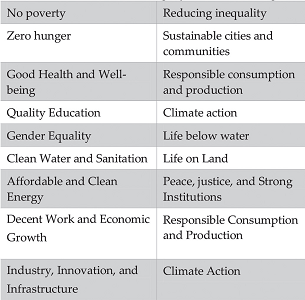
 Saudi Aramco’s approach involves pushing the limits of creativity and technology to drive down the carbon intensity of energy products. To this end, the company is increasing research into new, carbon-neutral feedstocks to provide meaningful solutions to the energy and climate challenges.
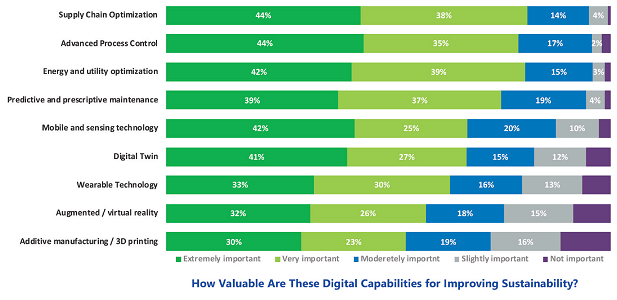

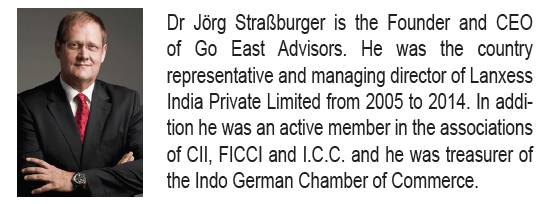

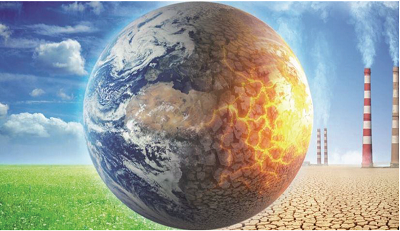
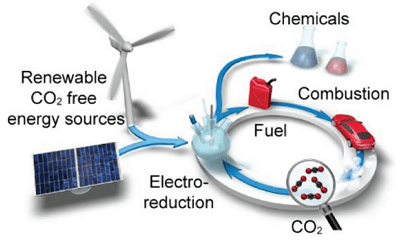



 KK: The linear concept of ‘take–make–dispose’ has been the mantra of business development and promoting consumerism over the past several decades. Current economic situations and conventional financial models measure the organisation’s performance on a quarterly or annual basis, assuming it would correlate to long-term profitability. Switching over to the circular economy concept of “take-make-reuse-recycle-regenerate”, building a sustainable business and driving responsible consumerism will not happen overnight. It will certainly need systemic changes in the regulatory and financial system. Proactive leadership will embrace sustainability as new business opportunities and build a positive mind-set for the circularity in their value chain. While the regulatory push and consumer pull would drive the mind-set changes of the reactive organisation towards sustainability adoption.
 Huntsman’ Horizon 2025 strategy is targeting 10percent reduction in energy use and greenhouse gas emission as well as 5 percent reduction in hazardous waste disposal per unit of production by 2025. Huntsman’s offerings such as the theAVITERA® SE range of dyes can reduce water consumption in textile manufacturing by up to 50 percent. Our digital inks reduce water consumption up to 60 percent for the producers of printed textile fabrics. Further, Huntsman uses wastePETequivalent of over one billion bottles annually as raw material to produce polyurethane insulation for saving energy for heating/cooling of buildings. We have technology to reuse PU and rubber waste from footwear industry to make playground flooring. These are some of the examples of howa circular economy focused approach is helping Huntsman innovate new products and processes while also supporting sustainability of the downstream customers.



 y deciding to implement environmental initiatives must have an effective tracking system for achievable and measurable results. It is important to balance the top-down approach with a bottom- up commitm


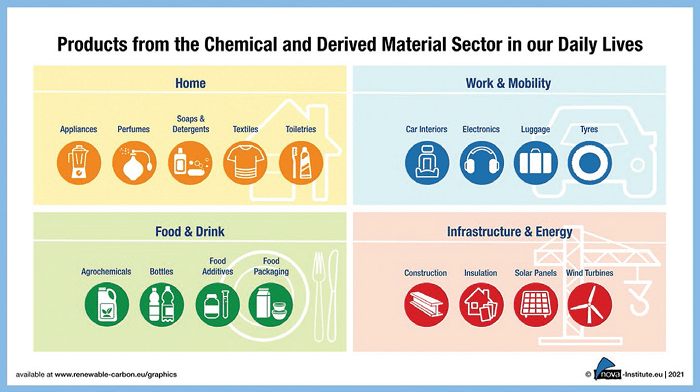
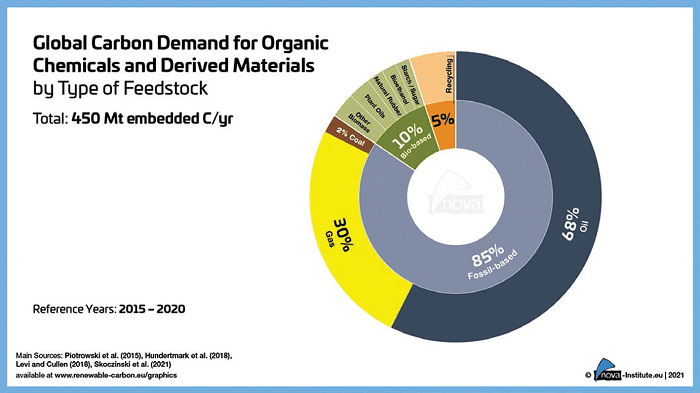
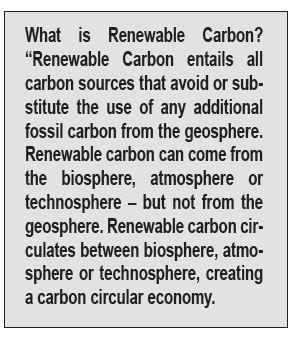
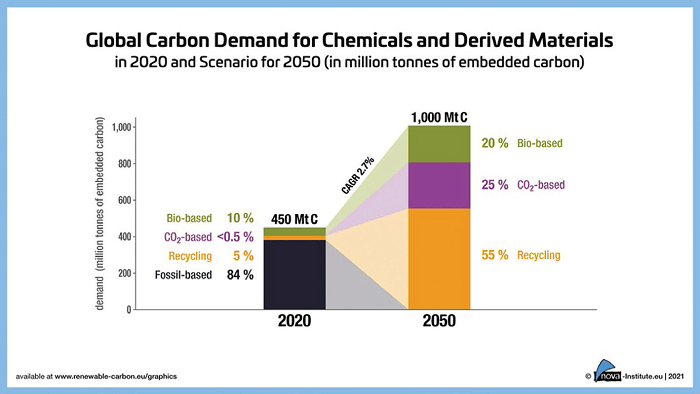
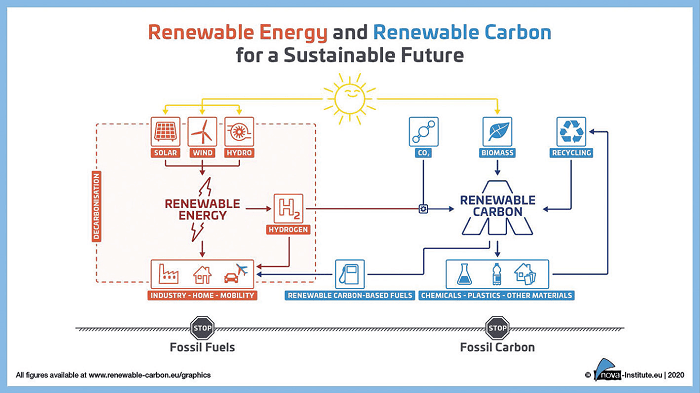

 Michael Carus is Founder, Board Member and Managing Director of nova-Institute. He studied physics at the University of Cologne. He worked as a scientific staff member for nuclear energy and environment at the University of Tuebingen, as a scientific journalist for different professional magazines, at the KATALYSE-Umweltinstitut in Cologne (head of the department environment and resources), for the US company Tektronix GmbH in Cologne (IT) as well as for the company Flachglas Solartechnik GmbH in Cologne (solar power) until founding the nova-Institute for Political and Ecological Innovation together with other scientists in 1994. Carus is a member of various associations, societies and international organisations. Carus is a science-based advisor on corporate strategy, policy and sustainability in the chemical, plastics and fibre industries around the world. In 2020, Carus initiated the Renewable Carbon Initiative (RCI). The RCI aims to support and accelerate the transition from fossil carbon to renewable carbon for all organic chemicals and materials.